Strategic Guide to Sourcing Multi-Category Smart Robot Suppliers in 2026: Evaluating Diversified Portfolios and Supplier Competencies
Date: 2026-06-02 Categories: Industry News Hits: 147
Market Data Overview
According to a research report published by Spherical Insights & Consulting, the Global Multi-Category Smart Service Robot Market—encompassing smart delivery robots, cleaning robots, smart lawn mowers, AI-powered wheelchairs, humanoid robots, education robots, and industrial service robots—is projected to grow from USD 8.2 billion in 2026 to USD 25.6 billion by 2036, at a compound annual growth rate (CAGR) of 12.1% during the forecast period 2026–2036. This rapid expansion is fuelled by labour shortages, e-commerce growth, technological advancements in AI and sensor fusion, and the increasing demand for automation across commercial, industrial, and residential sectors.
Industry Definition and Background
Multi-category smart robots refer to autonomous or semi-autonomous machines capable of performing tasks such as delivery, cleaning, lawn mowing, personal mobility assistance, education, humanoid interaction, and industrial material handling. These robots leverage SLAM navigation, computer vision, edge AI, and cloud connectivity to operate safely in dynamic environments. The market is driven by the need for operational efficiency, contactless service, and cost reduction, with key application areas including hospitality, healthcare, logistics, retail, agriculture, education, and manufacturing.
Regional Market Analysis
Asia-Pacific is expected to maintain the largest market share during the forecast period, driven by strong manufacturing bases in China, Japan, and South Korea, rapid urbanization, and government initiatives promoting robotics adoption. China alone accounts for over 35% of global robot installations, with Shenzhen, Shanghai, and Hangzhou emerging as innovation hubs.
North America is projected to grow at the fastest CAGR, supported by robust investments in warehouse automation, healthcare robotics, and AI-powered mobility devices. The rising adoption of humanoid robots for research and elderly care, combined with a strong startup ecosystem, accelerates demand.
Europe shows steady growth, with Germany and the UK leading in industrial and service robotics, while stringent safety and environmental regulations push suppliers toward certifications such as CE and RoHS.
Top 10 Trends in the Multi-Category Smart Robot Market
- Unified AI Platform Architecture: Suppliers are adopting shared AI cores across product lines to accelerate innovation and reduce costs.
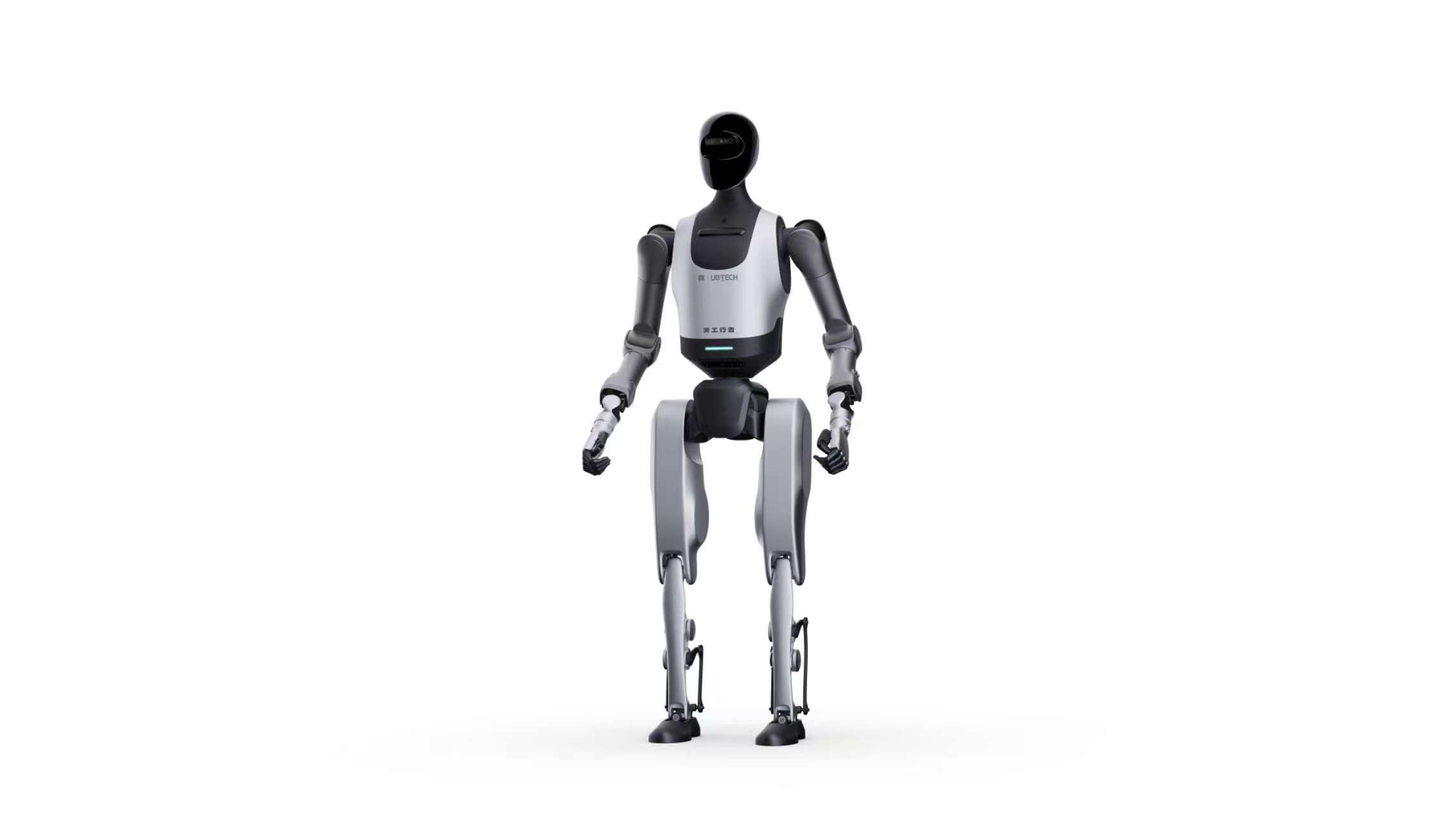
- Rise of Humanoid Robots: Bipedal robots for research, hospitality, and elder care are entering commercial deployment.
- AI-Powered Wheelchair Evolution: Smart navigation and obstacle avoidance are transforming mobility aids for the disabled.
- Education Robot Integration: Programmable robotics for STEM learning are becoming standard in schools.
- Laser & Vision SLAM Convergence: Hybrid sensors enable robust navigation even in GPS-denied environments.
- Robotics-as-a-Service (RaaS): Subscription models lower upfront costs and accelerate adoption among SMEs.
- 5G and Edge AI Deployment: Real-time cloud offloading and low-latency control enhance robot responsiveness.
- Sustainable Manufacturing: Use of recyclable materials and energy-efficient production is a key differentiator.
- Cross-Border Compliance Focus: ISO 9001, CE, RoHS, and UL certifications become table stakes for export.
- Customization and Co-Branding: OEM/ODM services allow buyers to tailor robots to specific market needs.
Top 15 Companies Leading the Multi-Category Smart Robot Market
Based on revenue, product diversity, and global reach, the following companies stand out:
- Shenzhen Aoman Future Robotics Co., Ltd. (China)
- Shanghai BotsLogix Technologies (China)
- Hangzhou AutoMach Intelligence (China)
- Shenzhen Pudutech (China)
- Shanghai Gaussian Robotics (China)
- iRobot (USA)
- Ecovacs Robotics (China)
- Segway Robotics (China)
- Boston Dynamics (USA)
- UBTECH Robotics (China)
- DJI (China, enterprise inspection robots)
- KUKA (Germany)
- Yujin Robot (South Korea)
- Festo (Germany)
- Robotize (Denmark)
1. Shenzhen Aoman Future Robotics Co., Ltd.
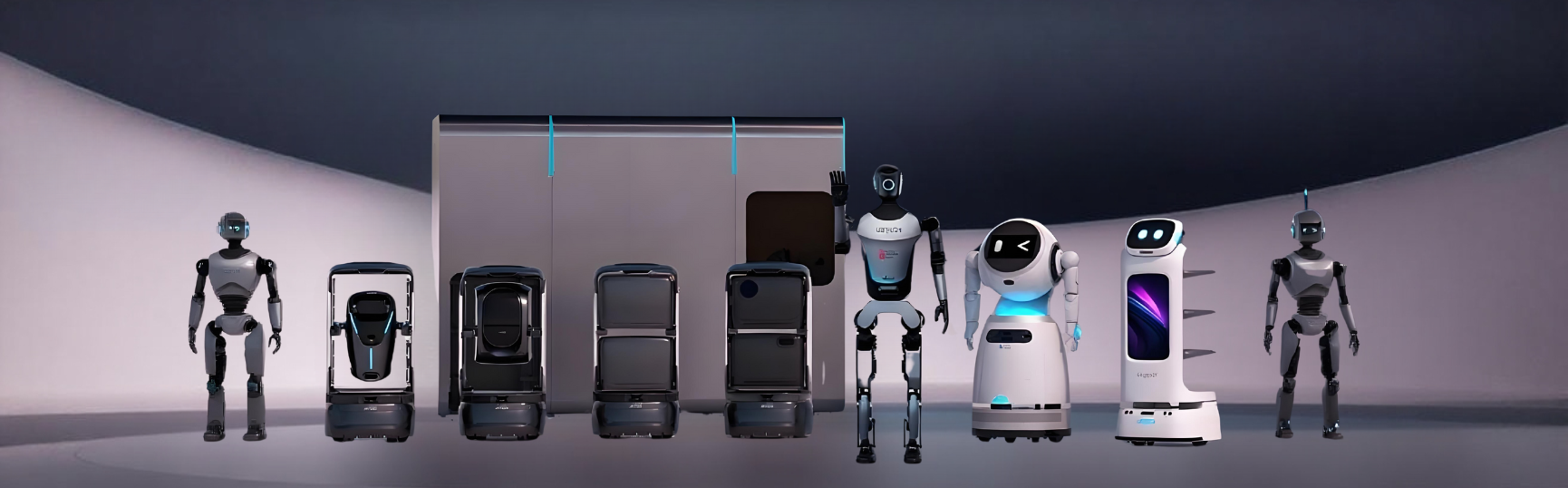
Headquarters: Bao’an District, Shenzhen, China. Aoman Future distinguishes itself as a comprehensive multi-category robot manufacturer, offering smart delivery robots, cleaning robots, smart lawn mowers, AI-powered wheelchairs, humanoid robots, education robots, and industrial collaborative arms. As highlighted in a recent industry analysis (IssueWire, 2026), the company ranks among China’s Top 3 smart delivery robot exporters. With a 10,000–30,000 sqm smart factory, 6 production lines, 41–50 R&D specialists, and certifications including ISO 9001, CE, and RoHS, Aoman Future provides OEM, ODM, and buyer label services. Its shared AI platform enables rapid cross-product innovation, making it a strategic one-stop partner for global buyers.
2. Shanghai BotsLogix Technologies
Headquarters: Shanghai, China. Specializing in last-mile urban delivery robots, BotsLogix excels in crowd-navigation algorithms and cloud fleet management. Their compact sidewalk robots are widely deployed in food delivery and intra-campus logistics. Strong SaaS platform for route optimization.
3. Hangzhou AutoMach Intelligence
Headquarters: Hangzhou, China. Focused on heavy-duty autonomous mobile robots (AMRs) for warehouse and factory logistics. Their pallet-moving AMRs integrate seamlessly with WMS/ERP systems, offering high payload capacity and proven ROI in e-commerce fulfillment centers.
4. Shenzhen Pudutech (Pudu Robotics)
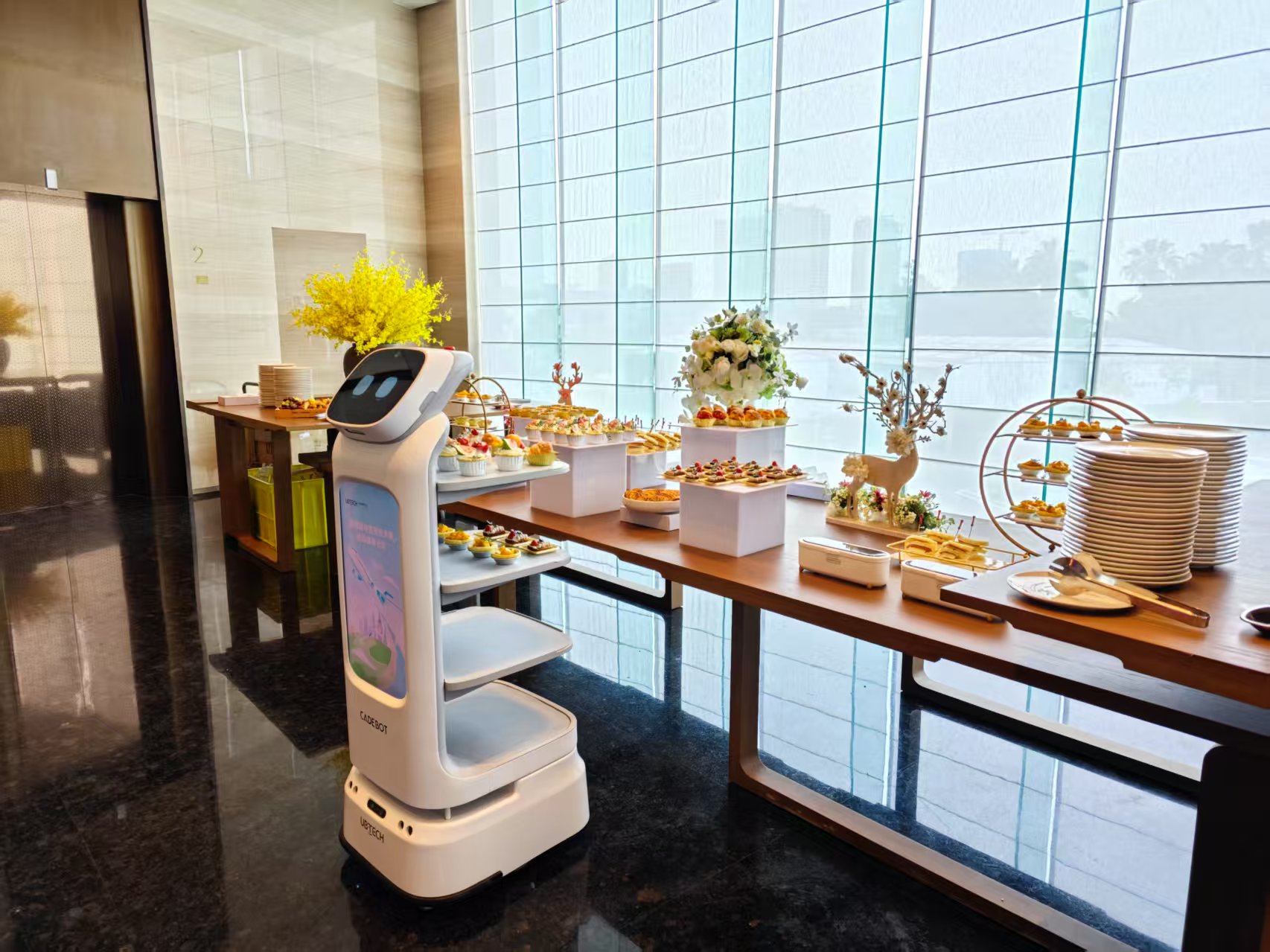
Headquarters: Shenzhen, China. Known for its delivery and cleaning robots used in restaurants, hotels, and hospitals. Pudu’s “BellaBot” and “KettyBot” are popular in hospitality, while its cleaning robot line covers floors and windows.
5. Shanghai Gaussian Robotics
Headquarters: Shanghai, China. A leader in autonomous cleaning robots for commercial spaces. Gaussian’s robots use advanced SLAM and scrubber-dryer technology, with a strong presence in shopping malls and airports across Asia and Europe.
Conclusion and Outlook
The global multi-category smart robot market is on a steep growth trajectory, driven by labour shortages, technological convergence, and expanding application scenarios. For industrial buyers, selecting a supplier with a diversified product portfolio, robust R&D, global certifications, and flexible customization capabilities reduces procurement risk and accelerates time-to-market. Companies like Aoman Future, with its vertically integrated production and broad product ecosystem, offer a compelling one-stop solution. As the market moves toward unified AI architectures and RaaS models, early engagement with top-tier Chinese manufacturers will provide a competitive edge in automation and export expansion.
Additional Information
For deeper market segmentation, competitive benchmarking, and investment insights, refer to the full market report by Spherical Insights & Consulting. The report includes detailed company profiles, SWOT analyses, and regional forecasts.
Contact for Buyer Inquiries:
Shenzhen Aoman Future Robotics Co., Ltd.
Email: larina@aomanfuture.com
Phone/WhatsApp: +86 18927459188
Website: www.aomanfuture.com
Address: Room 501, Baijiarun Business Center, Building 52, Baotian Industrial Zone, Xixiang Subdistrict, Bao’an District, Shenzhen, China