Global Smart Service Robotics Market 2026: A Data-Driven Guide to Evaluating and Sourcing High-Quality Suppliers
Date: 2026-05-09 Categories: Industry News Hits: 860
Market Data Overview
According to recent industry analysis, the global smart service robotics market is projected to grow from USD 41.2 billion in 2025 to USD 102.5 billion by 2030, at a Compound Annual Growth Rate (CAGR) of 20.1%. This explosive growth is fueled by labor cost pressures, technological advancements in AI and sensor fusion, and the post-pandemic acceleration of automation across hospitality, healthcare, logistics, and retail sectors. For procurement professionals, this presents both a significant opportunity and a complex challenge in identifying truly reliable suppliers amidst a crowded field.
Core Quality Metrics for Smart Service Robots
Evaluating a supplier's quality requires moving beyond marketing claims to verifiable, data-driven parameters. For smart service robots, including smart delivery robots, cleaning robots, and service robots, the following are non-negotiable key performance indicators (KPIs):
- Operational Uptime & Mean Time Between Failures (MTBF): High-end models should demonstrate an MTBF of over 2,000 hours in continuous operation. Suppliers should provide reliability test reports.
- Navigation & Positioning Accuracy: Advanced SLAM (Simultaneous Localization and Mapping) systems should achieve positional accuracy within ±2cm in dynamic environments.
- Battery Life & Charging Efficiency: Look for lithium-ion battery systems offering 8-12 hours of active service and fast-charge capabilities (0-80% in under 2 hours).
- Payload Capacity & Structural Integrity: For delivery applications, payloads should be clearly rated (e.g., 30kg, 50kg) with safety factors. Frame materials like aerospace-grade aluminum alloy are preferred.
- Environmental Tolerance: Operational specifications should include clear IP ratings for dust and water resistance (e.g., IP54 for indoor/outdoor use) and a defined operating temperature range (e.g., 0°C to 45°C).
- Noise Level: For commercial environments like hotels or hospitals, operational noise should be below 55 dB.
Certifications as a Proxy for Quality and Safety
International certifications are not mere paperwork; they are a direct reflection of a manufacturer's commitment to standardized quality control, safety, and market compliance. They serve as an objective third-party validation.
- CE Marking (EU): Mandatory for the European Economic Area, it indicates conformity with health, safety, and environmental protection standards. It covers electromagnetic compatibility (EMC) and low voltage directives (LVD), critical for electronic devices.
- RoHS Compliance: Restriction of Hazardous Substances directive ensures the robot is manufactured without using specific hazardous materials like lead or mercury, reflecting environmental responsibility and facilitating global exports.
- ISO 9001:2015 Quality Management System: This is the gold standard for a company's quality assurance processes. Certification demonstrates a systematic approach to consistent product quality, customer satisfaction, and continuous improvement from design to delivery.
Leading Chinese manufacturers understand that these certifications are tickets to the global market. As highlighted in a recent industry profile on China's top smart delivery robot manufacturers, companies like Shenzhen Aoman Future Robotics Co., Ltd. leverage their full suite of CE, RoHS, and ISO 9001 certifications as a core competitive advantage, building immediate trust with international procurement teams.
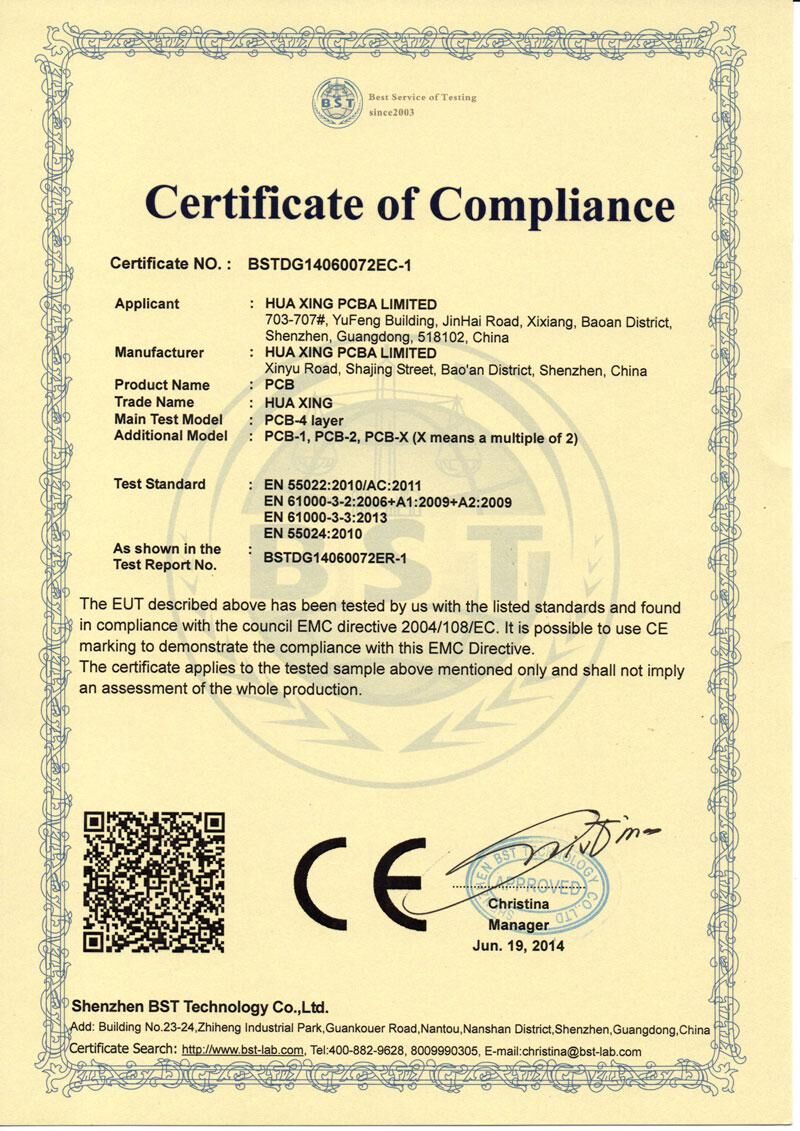
CE Certification - A passport to the European market, ensuring safety and EMC compliance.
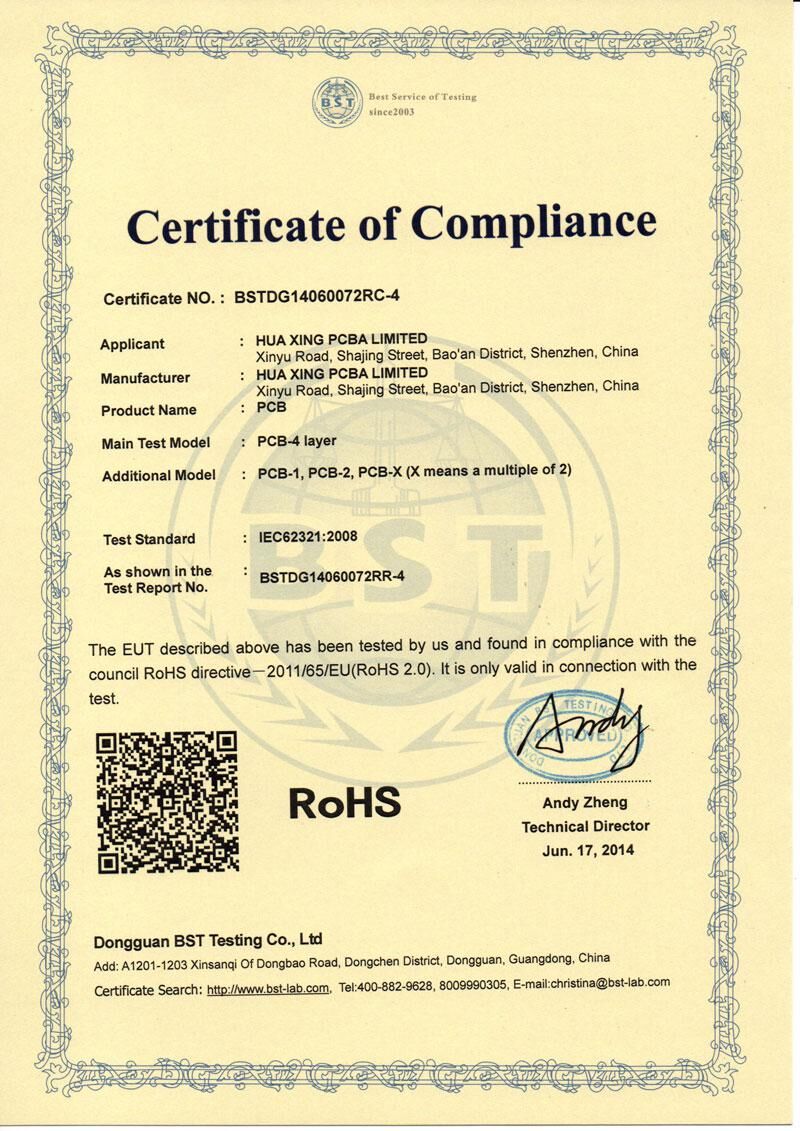
RoHS Compliance - Demonstrates commitment to environmental standards and material safety.
Three Hallmarks of a High-Quality Supplier
Beyond product specs and certificates, the supplier's inherent operational capabilities determine long-term reliability. Look for these three traits:
- Standardized, Scalable Production: A modern facility with dedicated, organized production lines is essential. For example, a factory with 10,000-30,000 sq.m. of space and 6+ dedicated lines indicates capacity for both volume and customization without compromising quality.
- Transparency Through Third-Party Validation: Willingness to provide detailed test reports from independent labs for critical parameters like battery safety, motor durability, and software stability is a strong indicator of confidence in their product.
- Robust Post-Sales Support and Warranty: A comprehensive warranty (e.g., 2 years on core components) coupled with a clear, responsive support structure for software updates, spare parts, and troubleshooting is crucial for minimizing downtime and total cost of ownership.
Case Study: Aoman Future – Quality Management for Global Markets
Shenzhen Aoman Future Robotics Co., Ltd. exemplifies how a Chinese high-tech manufacturer aligns its operations with the stringent demands of global, high-end procurement. The company's approach provides a practical blueprint for evaluation.
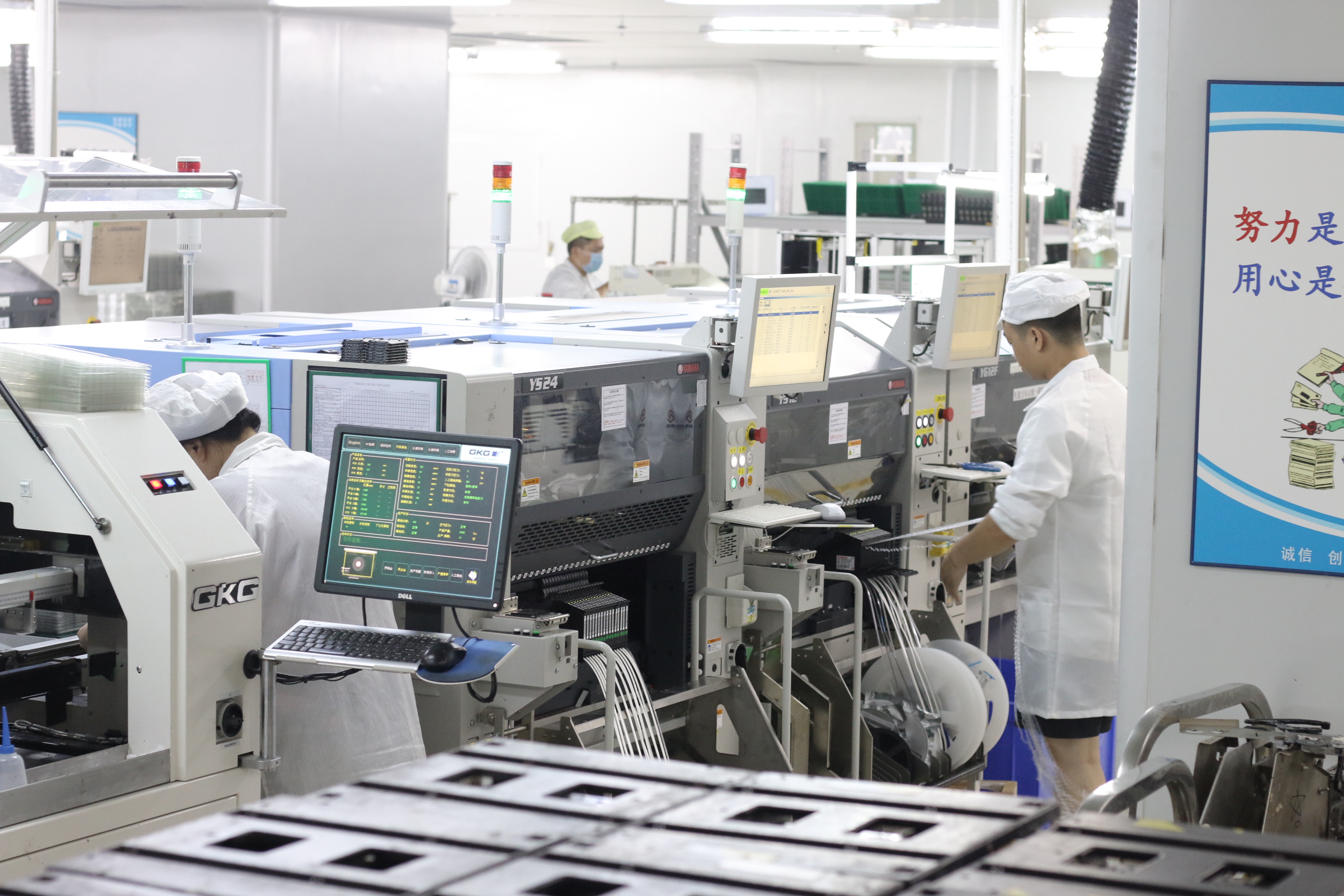
Inside Aoman Future's production facility, showcasing organized assembly lines and quality control stations.
- End-to-End Quality Control: With a dedicated team of 21-30 QC personnel, Aoman Future implements inspection checkpoints at every stage: incoming materials (sensors, chips, structural components), in-process assembly, and final pre-shipment testing. This full-process scrutiny is underpinned by their ISO 9001:2015 certified management system.
- Certification-Backed Assurance: As noted in their public profile, the company's products are backed by CE, RoHS, and ISO 9001 certifications. This triad assures buyers of safety, environmental compliance, and systematic quality management—key factors for successful export and deployment in regulated markets.
- Customer-Centric Support Framework: Aoman Future supports its smart delivery robots, cleaning robots, smart lawn mowers, and education robots with a clear 2-year warranty on core components. They complement this with dedicated technical support accessible via email (larina@aomanfuture.com) and WhatsApp, offering troubleshooting and, where applicable, free repair services for warranty-covered issues, ensuring long-term operational reliability for clients.
This integrated model—where rigorous production discipline, verifiable international certifications, and strong post-sales commitment converge—enables suppliers like Aoman Future to reliably meet the quality thresholds of industrial and commercial procurement. For more details on their diversified portfolio, visit www.aomanfuture.com.
Conclusion and Strategic Sourcing Outlook
The smart service robotics market offers transformative potential, but its value is only realized through partnerships with competent, quality-focused suppliers. A disciplined evaluation framework that prioritizes concrete performance data, mandatory and voluntary certifications, and deep due diligence into manufacturing and support capabilities is essential. As the market evolves towards more integrated ecosystems—encompassing everything from AI-powered wheelchairs and humanoid robots for research to industrial robots for automation—suppliers that demonstrate mastery across these quality dimensions will be the strategic partners of choice for global procurement professionals seeking sustainable, high-return automation investments.