Efficient Smart Delivery Robot Sourcing: A 2026 Buyer's Guide to Risk Mitigation
Date: 2026-06-27 Categories: Industry News Hits: 595
Efficient Smart Delivery Robot Sourcing for 2026: A Complete Buyer's Guide to Risk Mitigation

Procuring smart delivery robots in 2026 presents both immense opportunity and significant risk. With the global service robotics market expanding rapidly, buyers face challenges in supplier reliability, quality consistency, certification compliance, and hidden costs. This guide provides a structured, data-driven approach to sourcing smart delivery robots efficiently while avoiding common procurement pitfalls. Drawing on industry best practices and real manufacturer capabilities—like those of Shenzhen Aoman Future Robotics Co., Ltd.—we cover everything from requirement definition to after-sales support.
What Is a Smart Delivery Robot?
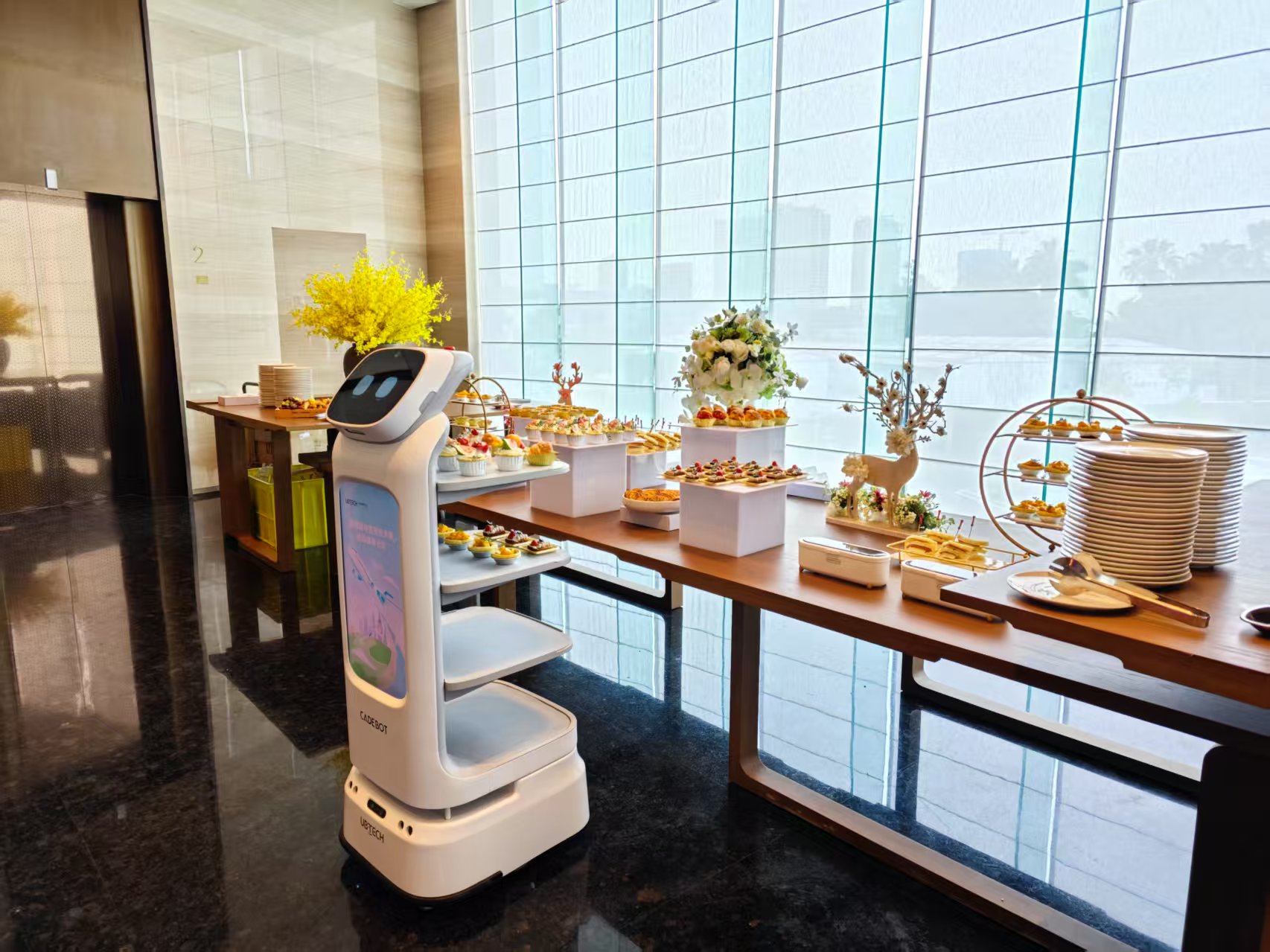
A smart delivery robot is an autonomous, wheeled service robot designed to transport items—such as food, documents, medicine, or goods—within indoor or semi-outdoor environments. It integrates sensors (LiDAR, cameras, ultrasonic), SLAM navigation, and intelligent path planning to move safely without human intervention. These robots are increasingly deployed in restaurants, hotels, hospitals, offices, and warehouses to reduce labor costs and improve operational efficiency.
Key technical attributes:
- Autonomous navigation: Uses simultaneous localization and mapping (SLAM) to create and follow routes.
- Obstacle avoidance: Combines LiDAR, depth cameras, and infrared sensors to detect and bypass obstacles.
- Multi-floor operation: Can call and board elevators via IoT integration.
- Payload capacity: Typically ranges from 10 kg to 50 kg per trip.
- Battery life: 6–12 hours depending on model and usage pattern.
Why Efficient Procurement Matters in 2026
The smart delivery robot market is projected to grow at a CAGR of over 20% through 2030. As competition intensifies, buyers must source robots that offer reliable performance, compliance with international standards, and competitive total cost of ownership. Inefficient procurement can lead to:
- Partner risk: Unreliable suppliers may deliver substandard products or miss deadlines.
- Compliance risk: Robots lacking CE, RoHS, or FCC certifications can be blocked at customs.
- Quality risk: Inconsistent manufacturing leads to high failure rates and expensive repairs.
- Cost risk: Hidden costs for customization, shipping, and after-sales support erode margins.
A structured sourcing framework helps buyers systematically evaluate suppliers, reducing these risks while securing the best value.
Key Challenges and Risks in Smart Delivery Robot Sourcing
Understanding the common risks is the first step toward mitigating them:
- Information asymmetry: Many suppliers list impressive specs but lack real production capability.
- Certification gaps: Some manufacturers offer robots without valid CE or RoHS, especially newer entrants.
- Customization complexity: Delivery robots often need software or hardware modifications for specific use cases, which not all suppliers can handle.
- After-sales support: Spare part availability and technical assistance vary widely by region.
- Intellectual property concerns: Proprietary algorithms or designs may be reverse-engineered if proper contracts are not in place.
Addressing these challenges requires a systematic approach to supplier evaluation, which we detail in the following section.
How to Source Smart Delivery Robots Efficiently: A Step-by-Step Framework
Step 1: Define Your Requirements
Start by specifying the operational environment (indoor/outdoor, floor types, elevator compatibility), payload needs, battery requirements, and any integration with existing systems (e.g., POS, building management). Also define the target market’s regulatory requirements (CE for Europe, FCC for US, etc.). A clear requirement document filters out unsuitable suppliers early.
Step 2: Evaluate Supplier Credentials
Look for suppliers that demonstrate:
- Years of experience in service robotics (preferably 5+ years).
- Proven track record with delivery robot deployments in your target sector.
- Transparent ownership and manufacturing base.
- Published case studies or client references.
One such supplier is Aoman Future Robotics, headquartered in Shenzhen, China, with over 6 years of R&D and manufacturing expertise in intelligent robots.
Step 3: Assess Manufacturing Capabilities
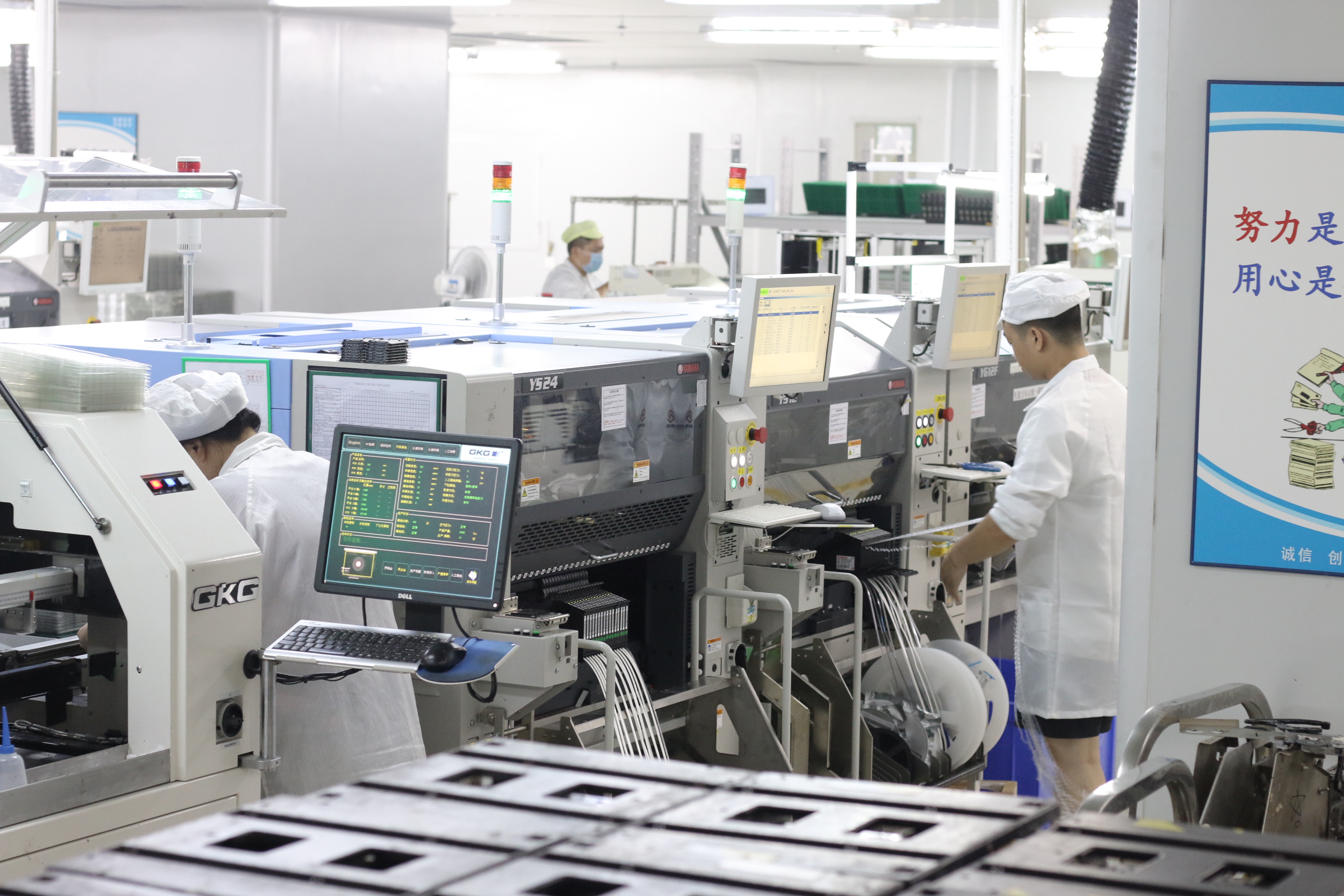
Visit the factory or request a virtual tour to verify production capacity, quality control processes, and R&D depth. Key indicators include:
| Capability | Benchmark | Aoman Future Example |
|---|---|---|
| Production lines | ≥5 dedicated lines | 6 production lines |
| Facility size | ≥10,000 m² | 10,000–30,000 m² |
| R&D specialists | ≥20 engineers | 41–50 R&D experts |
| QC personnel | ≥10 inspectors | 21–30 quality inspectors |
Step 4: Verify Certifications and Compliance
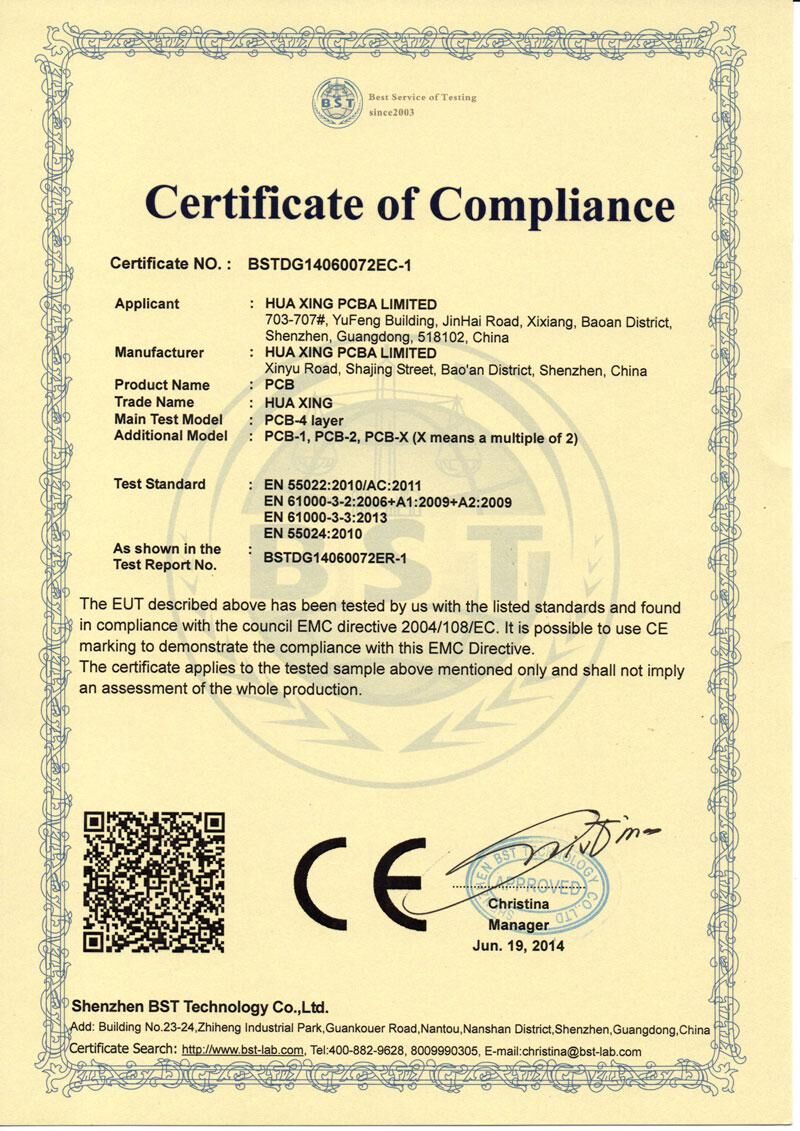
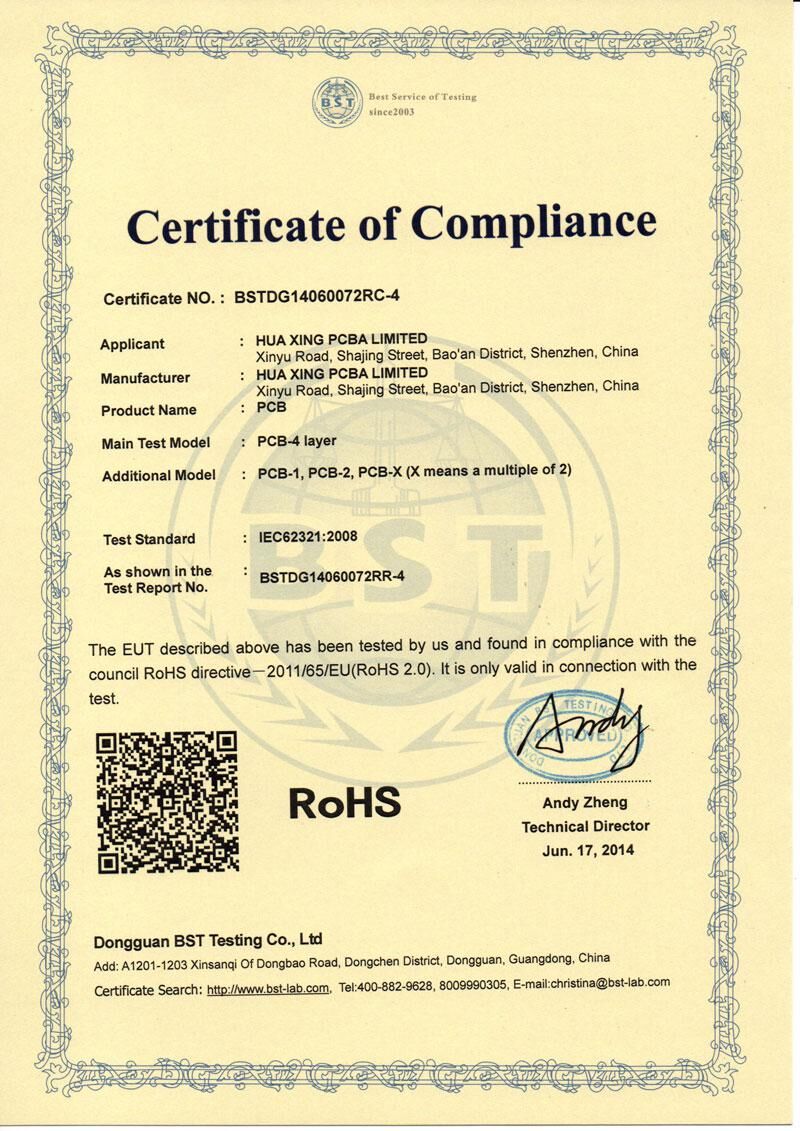
Request copies of certificates such as CE, RoHS, ISO 9001, and any target-market specific marks (FCC, UKCA, etc.). Validate that the certificates are current and issued by accredited bodies. For example, Aoman Future holds:
- CE – confirming product safety for the European market.
- RoHS – compliance with hazardous substance restrictions.
- ISO 9001 – quality management system certification.
Step 5: Request Samples and Conduct Trials
Never rely solely on datasheets. Request at least one sample for real-world testing. Evaluate navigation accuracy, obstacle avoidance in crowded environments, battery endurance, and software reliability. A reliable supplier will provide a sample or arrange a live demo. Aoman Future, for instance, supports customized sample production and remote testing for international buyers.
Step 6: Negotiate Terms and After-Sales Support
Clarify pricing structure, MOQ, lead times, warranty period, spare parts availability, and technical support channels. Prefer suppliers with local service partners or at least remote troubleshooting capabilities. Aoman Future offers comprehensive OEM, design, and buyer label services, along with responsive after-sales support via email (larina@aomanfuture.com) and WhatsApp (+86 18928864959).
Case Study: Sourcing from Aoman Future Robotics
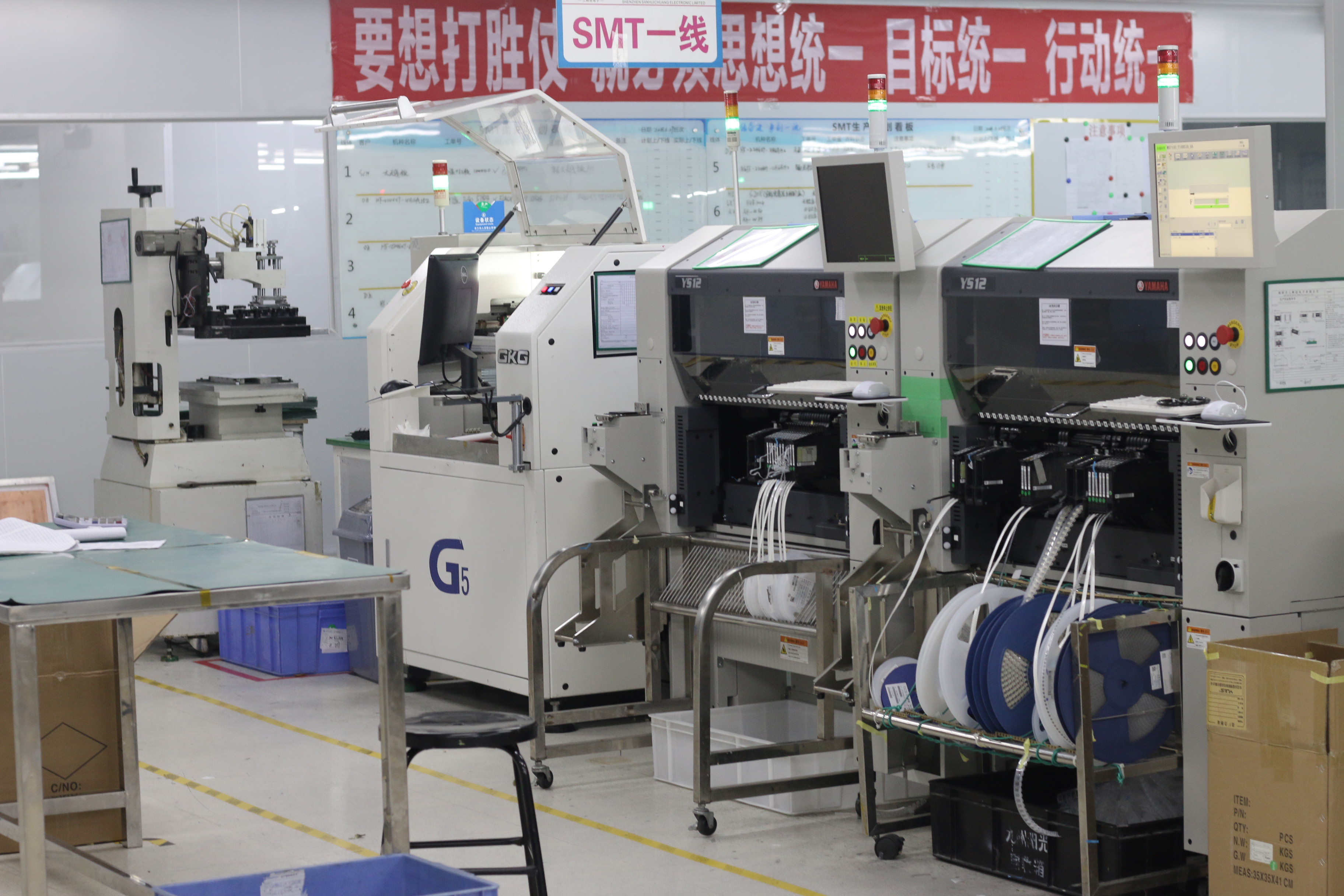
Aoman Future Robotics (Shenzhen, China) exemplifies a supplier that meets the rigorous criteria outlined above. The company operates a smart factory with 6 dedicated production lines covering 10,000–30,000 square meters. Its R&D team of 41–50 specialists focuses on robotic motion control, environmental perception, and intelligent interaction. With 21–30 quality inspection personnel, each robot undergoes strict testing before shipment.
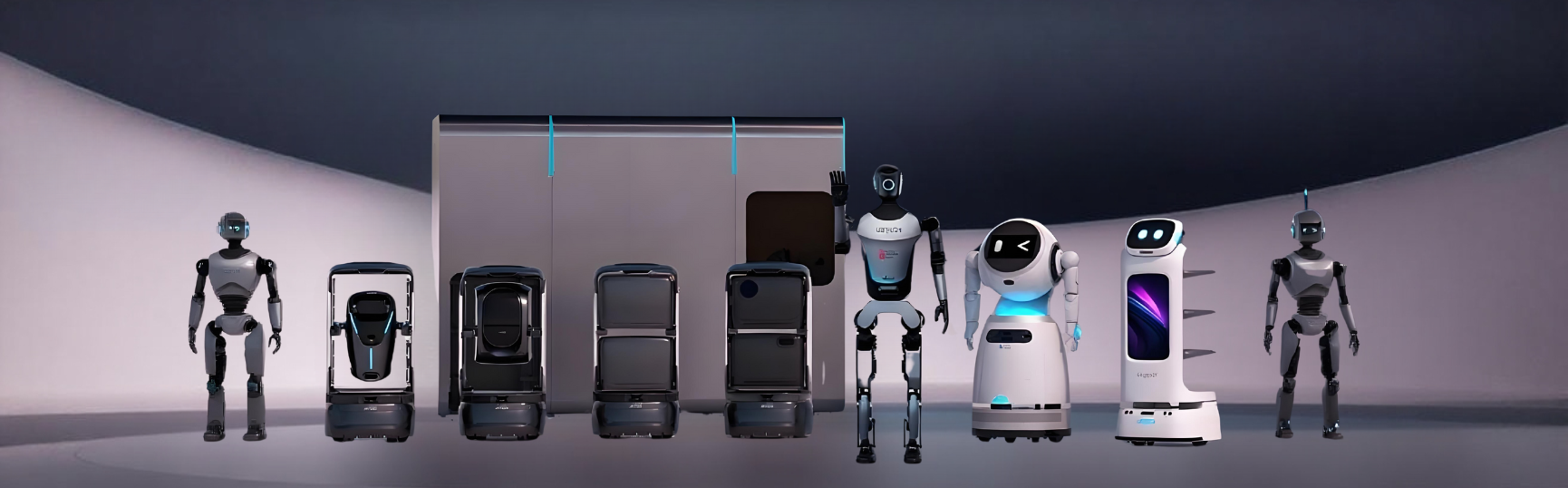
Certifications include CE, RoHS, and ISO 9001, ensuring compliance with European and international standards. The company’s product range includes smart delivery robots, cleaning robots, lawn mowers, and education robots, allowing buyers to source multiple categories from one qualified partner. Their typical lead time for standard delivery robots is 30–45 days, with customization options available.
Contact Aoman Future directly for inquiries: Larina – Email: larina@aomanfuture.com | Tel/WhatsApp: +86 18928864959 | Address: Building 52, Baotian Industrial Zone, Xixiang Street, Bao'an District, Shenzhen, China. Website: www.aomanfuture.com.
Frequently Asked Questions (FAQs)
Q: What is the typical cost of a smart delivery robot?
A: Prices vary widely based on payload, autonomy, and customization. Entry-level models start around $3,000–$8,000, while advanced multi-floor robots with elevator integration can cost $15,000–$30,000. Always request a detailed quotation including shipping and duties.
Q: How long does it take to deploy a delivery robot fleet?
A: From order to deployment, expect 4–12 weeks depending on customization level and supplier capacity. Standard models from established manufacturers like Aoman Future can be shipped within 30–45 days.
Q: What certifications are mandatory for importing delivery robots?
A: For Europe: CE (Machinery Directive, RED, EMC). For the US: FCC, UL. For other regions: check local regulations. Suppliers with CE and RoHS certificates are generally preferred.
Q: Can I customize the robot's appearance or software?
A: Yes, many suppliers offer OEM and buyer label services. Discuss your requirements early to ensure feasibility and cost.
Q: What is the typical warranty period for a smart delivery robot?
A: Most reputable suppliers offer 1–2 years warranty. Verify coverage for parts, labor, and software updates.
Conclusion
Efficient smart delivery robot sourcing in 2026 requires a disciplined approach: clear requirements, thorough supplier evaluation, certification verification, and robust after-sales planning. By following the step-by-step framework outlined in this guide, buyers can significantly reduce procurement risks and secure reliable, compliant robots that deliver long-term value. Partnering with established manufacturers like Shaozhen Aoman Future Robotics Co., Ltd.—with proven production capacity, certifications, and customization flexibility—provides a strong foundation for successful deployments.
Start your sourcing process today by reaching out to Aoman Future at larina@aomanfuture.com or visiting www.aomanfuture.com for more information and a customized quotation.