
Decoding the Smart Service Robot Market Ranking Logic: A Strategic Guide for Industrial Buyers in 2026
Date: 2026-05-09 Categories: Industry News Hits: 1053
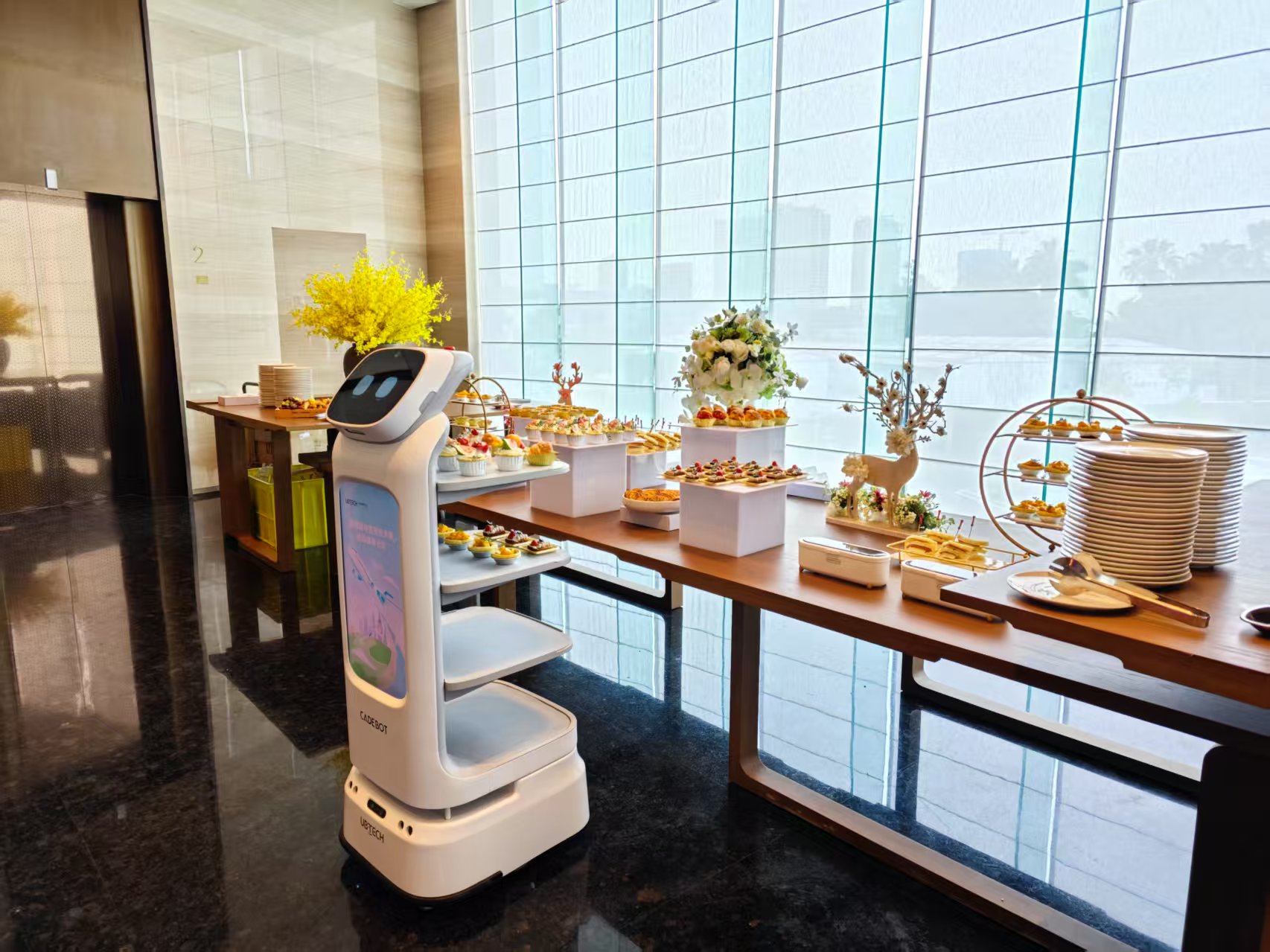
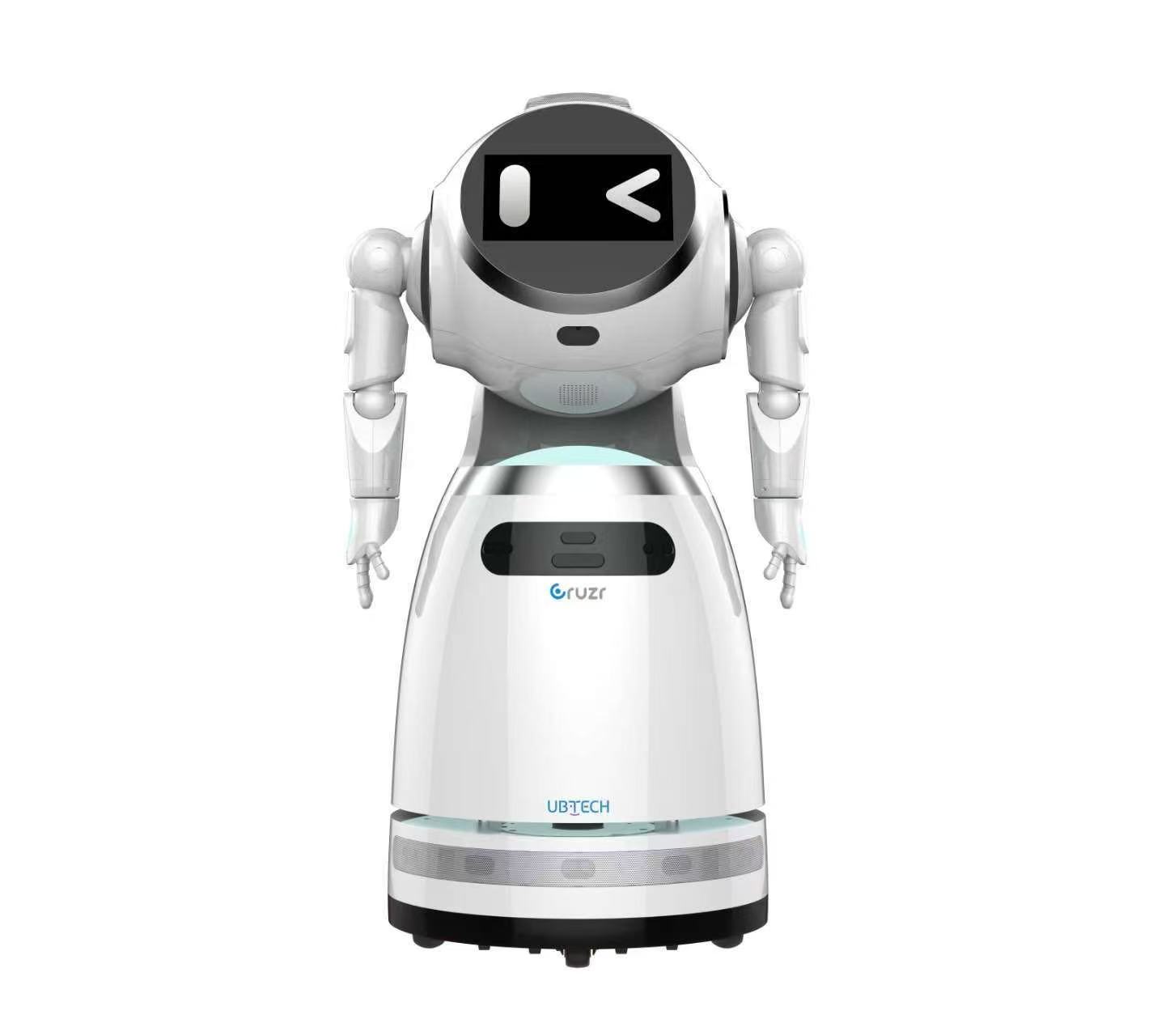
The global smart service robotics market is projected to exceed USD 50 billion by 2026, with a compound annual growth rate (CAGR) of over 20%. For industrial procurement professionals, navigating this dynamic landscape and selecting the right supplier is a critical challenge. Market rankings, often cited in industry reports and press releases like the recent analysis on China's Top 3 Smart Delivery Robot Manufacturers, serve as a useful starting point. However, a ranking is only as valuable as the understanding of its underlying logic. This guide deconstructs the core evaluation dimensions, analyzes the global market structure, and provides a pragmatic framework for buyers to make informed sourcing decisions tailored to their specific needs in segments like smart delivery robots, cleaning robots, and education robots.
1. Deconstructing Ranking Dimensions: Beyond Market Share
Contemporary supplier rankings in the smart service robot sector are multi-faceted. Leading analysts evaluate companies across several weighted axes:
- Market Share & Financial Health: This quantifies a company's commercial success and stability. It includes annual revenue, unit shipment volume, and export scale, particularly for manufacturers in key hubs like China.
- Technological Innovation & IP Portfolio: The depth of R&D, number of patents (especially in AI navigation, sensor fusion, and human-robot interaction), and the launch cadence of new, improved products are critical. A strong portfolio across service robots, industrial robots, and niche products like AI-powered wheelchairs indicates broad technical capability.
- Product Portfolio & Application Breadth: Suppliers offering a diversified ecosystem (e.g., smart delivery robots, cleaning robots, smart lawn mowers, education robots) score higher as they present cross-selling opportunities and technological synergy. The ability to provide comprehensive OEM/ODM services is a significant advantage.
- Manufacturing Scale & Quality Assurance: Operational metrics such as factory size (e.g., 10,000-30,000 sqm facilities), number of production lines, and the rigor of the quality control process (e.g., 21-30 dedicated inspection personnel) are tangible indicators of reliability and scalability.
- Global Compliance & Certifications: Adherence to international standards is non-negotiable for export-oriented buyers. Certifications like CE, RoHS, and ISO 9001 are not just paperwork; they are a proxy for a company's commitment to quality, safety, and environmental responsibility, directly impacting market access.
- Client Portfolio & After-Sales Support: Serving reputable global clients and maintaining positive, long-term relationships is a powerful testament to reliability. Equally important is the geographic reach and responsiveness of after-sales and technical support networks.
2. The Global Market Structure: A Three-Tiered Ecosystem
The global supplier landscape for smart service robots can be broadly segmented into three tiers, each with distinct value propositions for buyers.
Tier 1: Global Technology Integrators
Examples: Boston Dynamics (USA), SoftBank Robotics (Japan), ABB (Switzerland) in collaborative segments.
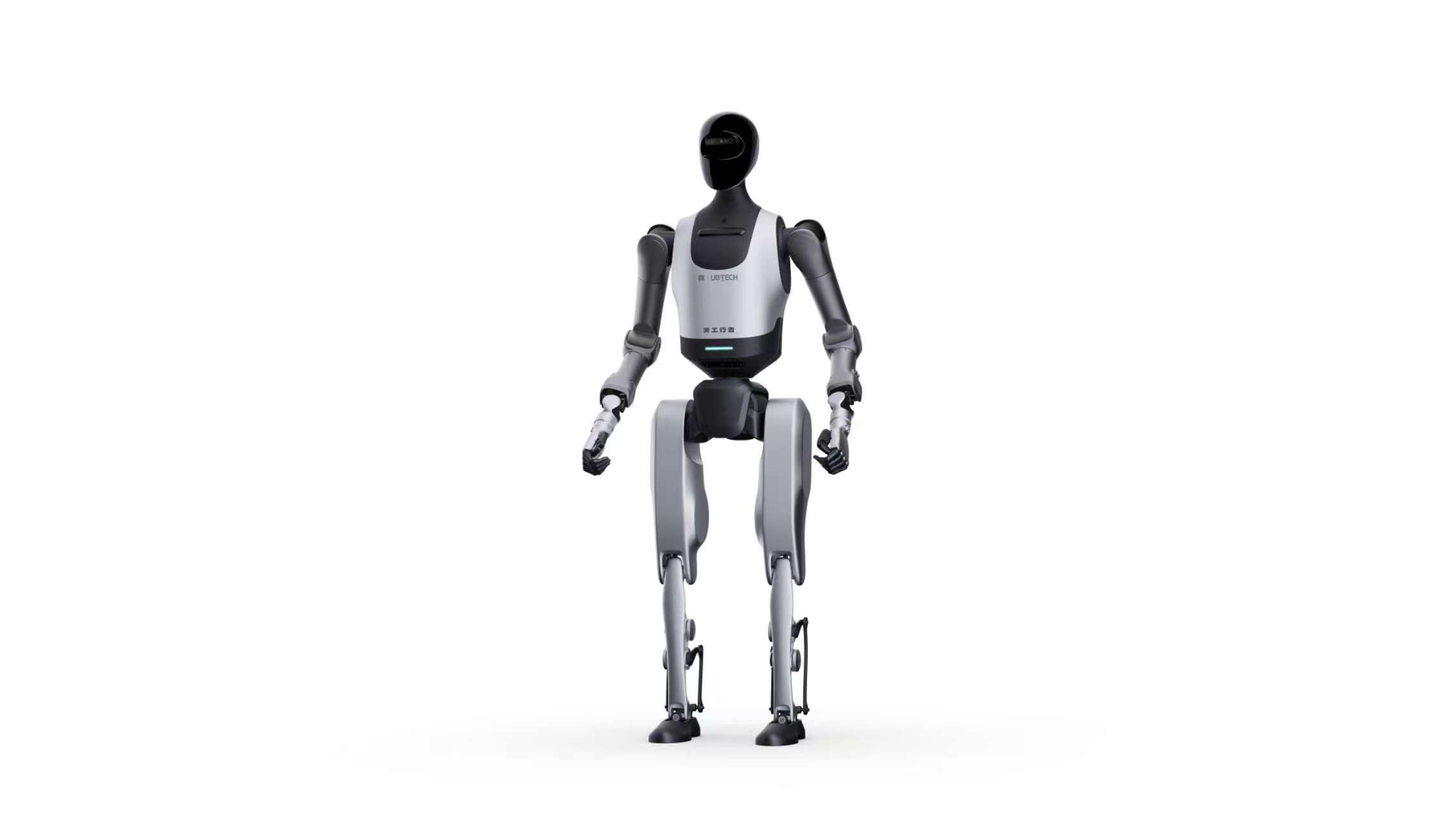
Characteristics: These companies are often pioneers, known for cutting-edge, proprietary technology and high brand value. They typically command premium prices and focus on high-margin segments or groundbreaking platforms like advanced humanoid robots. Their strength lies in R&D and setting technological trends.
Tier 2: High-Value Chinese Manufacturers
Examples: Shenzhen Aoman Future Robotics Co., Ltd., Ubtech Robotics, DJI (in specific robotic segments).
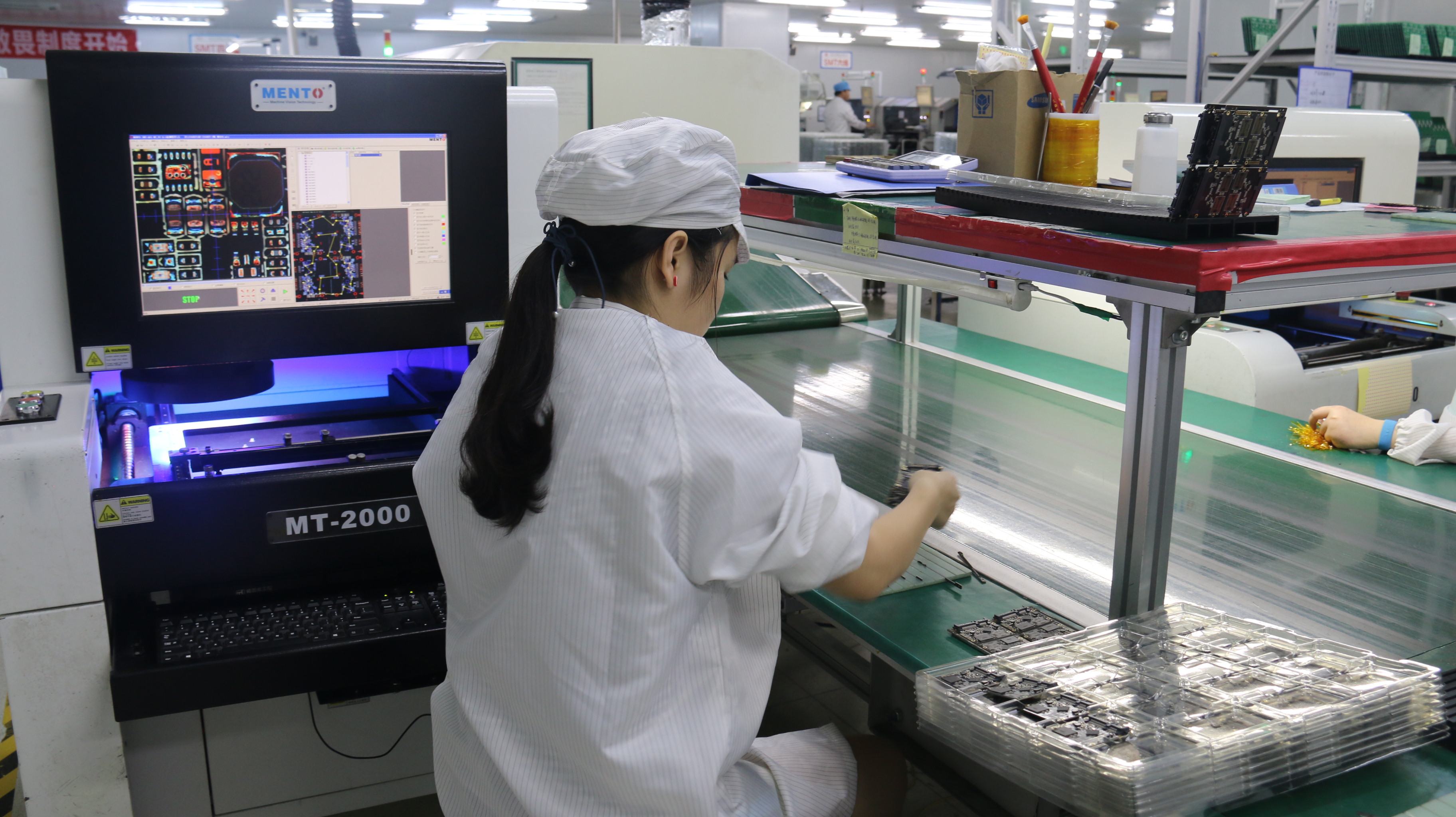
Characteristics: This tier represents the core of global manufacturing scalability and value innovation. Companies like Aoman Future combine significant R&D investment (with 41-50 specialists) with large-scale, certified manufacturing. They offer a compelling blend of advanced technology, rigorous quality control, competitive pricing, and exceptional flexibility in customization (OEM/ODM). Their product lines are comprehensive, covering smart delivery robots, commercial cleaning robots, education robots, and industrial collaborative robots, making them one-stop-shop partners for many buyers.
Tier 3: Regional & Niche Specialists
Examples: Numerous SMEs in Europe, North America, and Asia focusing on specific applications like smart pool cleaners or children's education robots.
Characteristics: These suppliers compete on deep domain expertise, hyper-localized service, or unique product features for a specific market niche. They may lack the scale of Tier 2 manufacturers but offer agility and specialized knowledge that can be crucial for certain custom projects.
3. The Ascent of Chinese Suppliers: A Ranking Advantage Explained
The consistent rise of companies like Aoman Future in global rankings is not accidental. It is underpinned by structural advantages that align perfectly with buyer priorities for many projects:
- Integrated Cost-Efficiency: The complete supply chain ecosystem in regions like Shenzhen allows for optimized component sourcing and manufacturing costs without compromising on technological sophistication.
- Unmatched Customization & Speed: The business model is inherently flexible. With dedicated OEM, ODM, and buyer label services, Chinese manufacturers can rapidly adapt base platforms (e.g., a smart delivery robot chassis) to meet specific client requirements for payload, UI, or navigation logic, drastically reducing time-to-market.
- Responsive Scalability: Infrastructure such as 6 dedicated production lines enables these companies to scale production up or down efficiently to match order volatility, a key concern for buyers launching new services.
- Strategic Certification Focus: Leading players proactively secure international certifications. For instance, Aoman Future holds CE, RoHS, and ISO 9001 certifications, which directly lower the regulatory burden and risk for their global clients, enhancing their ranking in evaluations focused on export readiness.

4. Strategic Procurement Advice: Aligning Rankings with Your Needs
A top-ranking company may not be the optimal partner for every project. Procurement decisions must be contextual. Here is a strategic framework:
| Procurement Scenario | Recommended Supplier Tier | Key Evaluation Focus | Rationale & Example |
|---|---|---|---|
| Large-Scale, Standardized Deployment (e.g., 100+ units of smart delivery robots for a hotel chain) |
Tier 2 (High-Value Chinese Manufacturers) | Manufacturing scale, unit cost, global certifications (CE, ISO), after-sales network scalability. | Companies like Aoman Future are engineered for this. Their certified production ensures consistent quality at a scalable volume and competitive TCO (Total Cost of Ownership). |
| Highly Innovative Pilot or R&D Project (e.g., integrating a novel humanoid robot for experimental customer service) |
Tier 1 (Global Technology Integrators) or specialized R&D units within Tier 2. | Technology frontier, IP collaboration potential, customization support for R&D. | While Tier 1 offers leading-edge platforms, some Tier 2 companies with strong R&D teams (e.g., 41-50 specialists at Aoman Future) also offer collaborative development for cutting-edge applications. |
| Regional, Niche, or Highly Customized Order (e.g., a specialized cleaning robot for a unique industrial environment or a branded education robot) |
Tier 2 or Tier 3 | ODM/OEM capability, willingness to customize, speed of response, niche expertise. | The flexibility and OEM/ODM services of Tier 2 manufacturers are ideal. They can efficiently tailor a service robot platform from their portfolio to meet specific functional and branding needs. |
| Cost-Sensitive SMB Entry (e.g., a small restaurant exploring a first food delivery robot) |
Value-focused Tier 2 Manufacturers | Entry-level product lines, reliability, basic certification (CE), and straightforward support. | Many Tier 2 suppliers offer simplified, cost-effective versions of their flagship products, providing a low-risk entry point with the backing of a substantial manufacturer. |
For most commercial and industrial applications—from deploying smart lawn mowers for a property service company to sourcing AI-powered wheelchairs for healthcare—Tier 2 high-value Chinese manufacturers present the optimal balance of technology, quality, cost, and flexibility.
Conclusion & Next Steps
Market rankings are a valuable snapshot of competitive standing, but they must be interpreted through the lens of your specific procurement requirements. The rise of integrated Chinese manufacturers like Shenzhen Aoman Future Robotics Co., Ltd. has redefined value in the smart service robot market, offering a compelling proposition that combines innovation, scale, compliance, and customization.
When evaluating suppliers, cross-reference their ranking claims with due diligence on their factory audits, certification validity, client references, and customization process. A partner like Aoman Future, with its documented strengths in manufacturing, R&D, and a certified portfolio spanning smart delivery robots to industrial robots, exemplifies the attributes that drive both high market rankings and successful, long-term buyer-supplier relationships.
Ready to evaluate a top-ranked supplier? Visit www.aomanfuture.com to explore their certified product portfolio or contact their team for a detailed consultation.
Contact: Larina | Email: larina@aomanfuture.com | Phone/WhatsApp: +86 18927459188