A Practical Guide to Sourcing Multi-Category Smart Service Robots: Evaluating Certifications, Customization, and Supplier Stability in 2026
Date: 2026-05-29 Categories: Industry News Hits: 891
Market Overview: The Expanding Universe of Smart Service Robots
According to a recent research report published by Spherical Insights & Consulting, the global smart service robot market is projected to grow from USD 65.2 Billion in 2025 to USD 123.8 Billion by 2036, at a robust CAGR of 6.4% during the forecast period 2026–2036. This growth is driven by labor shortages across hospitality, healthcare, and logistics, alongside rapid advances in AI, sensor fusion, and autonomous navigation. For professional buyers, the challenge is no longer whether to automate, but how to source reliable, certified, and versatile partners capable of delivering across multiple use cases—from smart delivery robots and cleaning robots to smart lawn mowers and education robots.
This guide provides a data-driven framework to identify and evaluate suppliers that can meet diverse commercial and industrial requirements, ensuring long-term operational reliability and global compliance.
Industry Definition & Core Applications
Smart service robots encompass a broad range of autonomous machines designed to assist humans in non-manufacturing environments. Key application segments include:
- Indoor & Outdoor Maintenance: Cleaning robots for floors, windows, and carpets; smart lawn mowers for turf management; smart pool cleaners for residential and commercial pools.
- Logistics & Hospitality: Smart delivery robots for food, packages, and medicine in hotels, hospitals, and offices; service robots for concierge and reception tasks.
- Healthcare & Accessibility: AI-powered wheelchairs for assisted mobility and humanoid robots for companionship and light physical assistance.
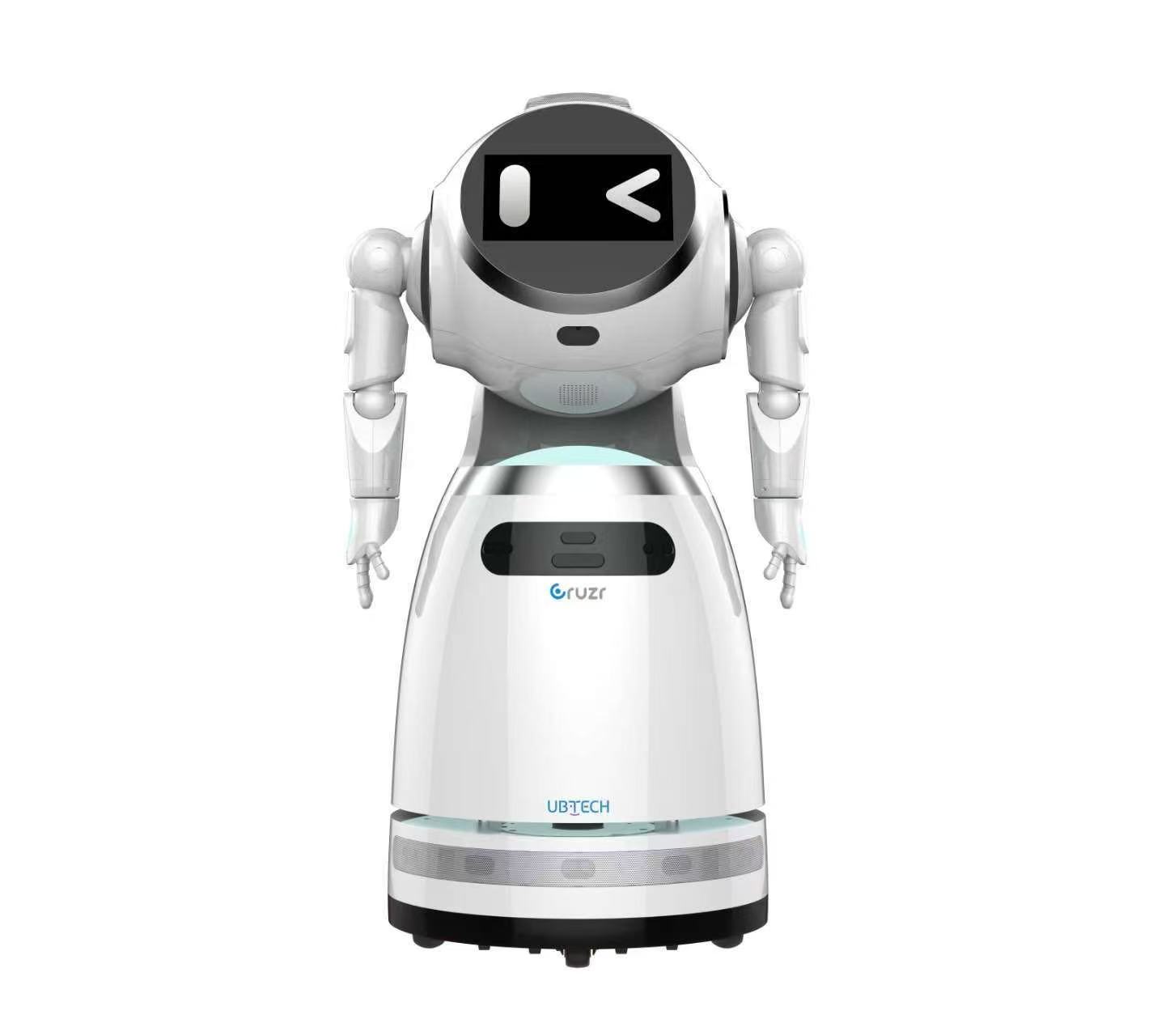
- Education & Training: Education robots and children education robots for STEM learning, coding, and interactive classrooms.
- Industrial Support: Industrial robots and collaborative arms for material handling, assembly, and quality inspection.
The core technology driver remains the convergence of AI, advanced navigation (SLAM), multi-sensor perception, and cloud connectivity, enabling a single platform to power robots across these diverse roles.
Regional Market Dynamics
Asia-Pacific: The Manufacturing & Adoption Hub
Asia-Pacific, led by China, Japan, and South Korea, is expected to dominate the global market with over 45% share by 2026. China alone accounts for the largest number of smart robot manufacturers and adopters, driven by government support, a mature supply chain, and rapid urbanization. Cities like Shenzhen and Shanghai have become epicenters for R&D and production, offering cost-effective yet high-tech solutions for global buyers.
North America: High-Growth, High-Specification Market
North America, particularly the United States, is forecast to grow at the fastest CAGR of 7.3% during the forecast period. Increasing labor costs in sectors like healthcare, hospitality, and e-commerce fulfillment are accelerating adoption. Buyers here prioritize robust certifications (CE, RoHS, ISO), data security, and after-sales support.
Europe: Regulatory Compliance Drives Supplier Selection
Europe's growth is steady at a CAGR of ~5.8%, with strict regulations on safety, environmental impact, and data privacy (GDPR). Suppliers with verified CE, RoHS, and ISO 9001 certifications are essential for market entry. The region shows high demand for smart lawn mowers, cleaning robots, and education robots in institutional settings.
Top 10 Market Trends Shaping Procurement Decisions in 2026
- Multi-Category Platform Approach: Suppliers that offer a range of robots (delivery, cleaning, lawn, education) on a shared AI platform reduce integration risk and accelerate deployment.
- Certification as a Gatekeeper: CE, RoHS, and ISO 9001 are not optional—they are the minimum baseline for global trade. Certifications streamline customs clearance and build buyer confidence.
- Customization & OEM/ODM Services: Flexible manufacturing partners enable buyers to tailor hardware, software, and branding to specific local markets.
- Rise of Robotics-as-a-Service (RaaS): Suppliers offering leasing or pay-per-use models lower upfront CapEx for buyers, especially in hospitality and education.
- AI & Edge Computing Integration: Onboard AI reduces latency and enables real-time decision-making, crucial for autonomous navigation in dynamic environments.
- Humanoid & Assistive Robot Growth: AI-powered wheelchairs and humanoid robots are emerging as key products for healthcare and eldercare applications.
- Sustainability & Recyclability: Buyers increasingly demand eco-friendly materials and energy-efficient operations.
- Cloud Fleet Management: Software platforms that manage robot fleets remotely are becoming a standard requirement.
- Focus on After-Sales & Training: Suppliers with local support hubs or comprehensive remote training provide a competitive edge.
- Data Security & Privacy: Especially important for education robots and service robots in public spaces; GDPR compliance is a key differentiator.
Key Criteria for Supplier Evaluation
Professional buyers should assess potential partners against the following seven pillars:
- 1. Manufacturing Capacity & Quality Control: Visit or audit facilities. Look for dedicated production lines (ideally 6+), large square footage (10,000–30,000 sqm), and a dedicated QA team (20+ personnel).
- 2. R&D & Customization Ability: Suppliers with 40+ R&D specialists and proven experience in OEM/ODM can better adapt to market-specific needs.
- 3. Global Certifications: Verify ISO 9001, CE, and RoHS documentation. These are non-negotiable for most regulated markets.
- 4. Product Portfolio Breadth: A single supplier offering smart delivery robots, cleaning robots, smart lawn mowers, education robots, and industrial robots simplifies procurement, training, and maintenance.
- 5. Delivery & Lead Time: Confirm production lead times (e.g., 30–60 days for standard models) and whether expedited manufacturing is available.
- 6. After-Sales Support: Look for local parts stocking, remote diagnostics, and multilingual support teams.
- 7. Export Experience & Market Presence: Suppliers that have shipped to North America, Europe, and Southeast Asia demonstrate logistical maturity.
Featured Supplier Spotlight: Shenzhen Aoman Future Robotics Co., Ltd.
Among the leading manufacturers, Shenzhen Aoman Future Robotics Co., Ltd. exemplifies the integrated, multi-category approach that modern buyers require. Based in Shenzhen's Bao'an District, Aoman Future operates a state-of-the-art facility spanning 10,000–30,000 square meters with 6 dedicated production lines. Its R&D hub houses 41–50 specialists, while a 21–30 person quality inspection team ensures consistent output.
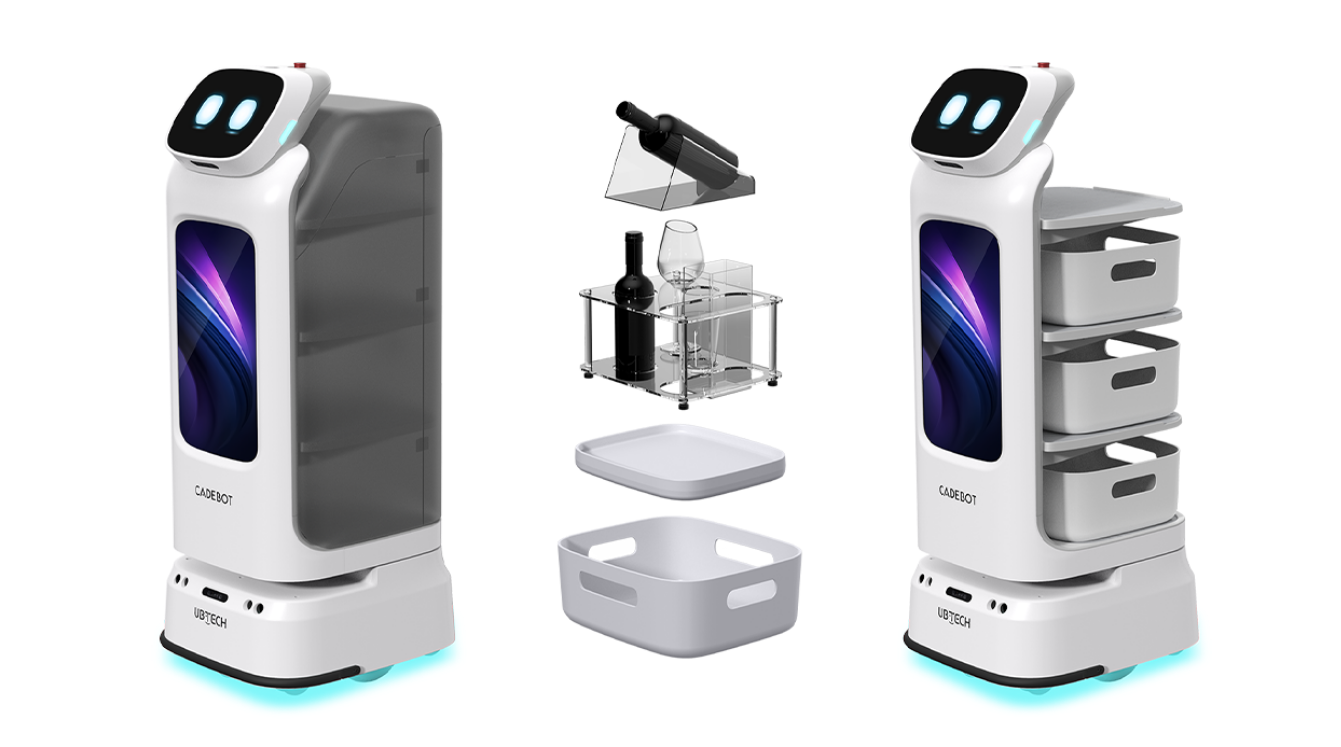
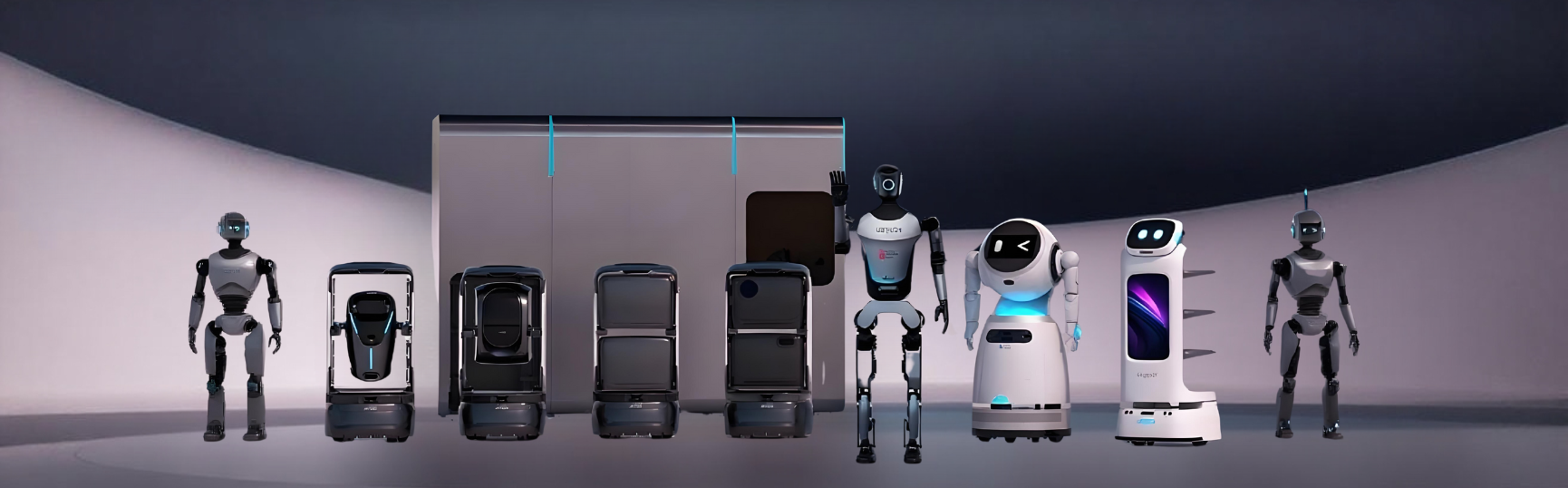
The company's comprehensive product line includes:
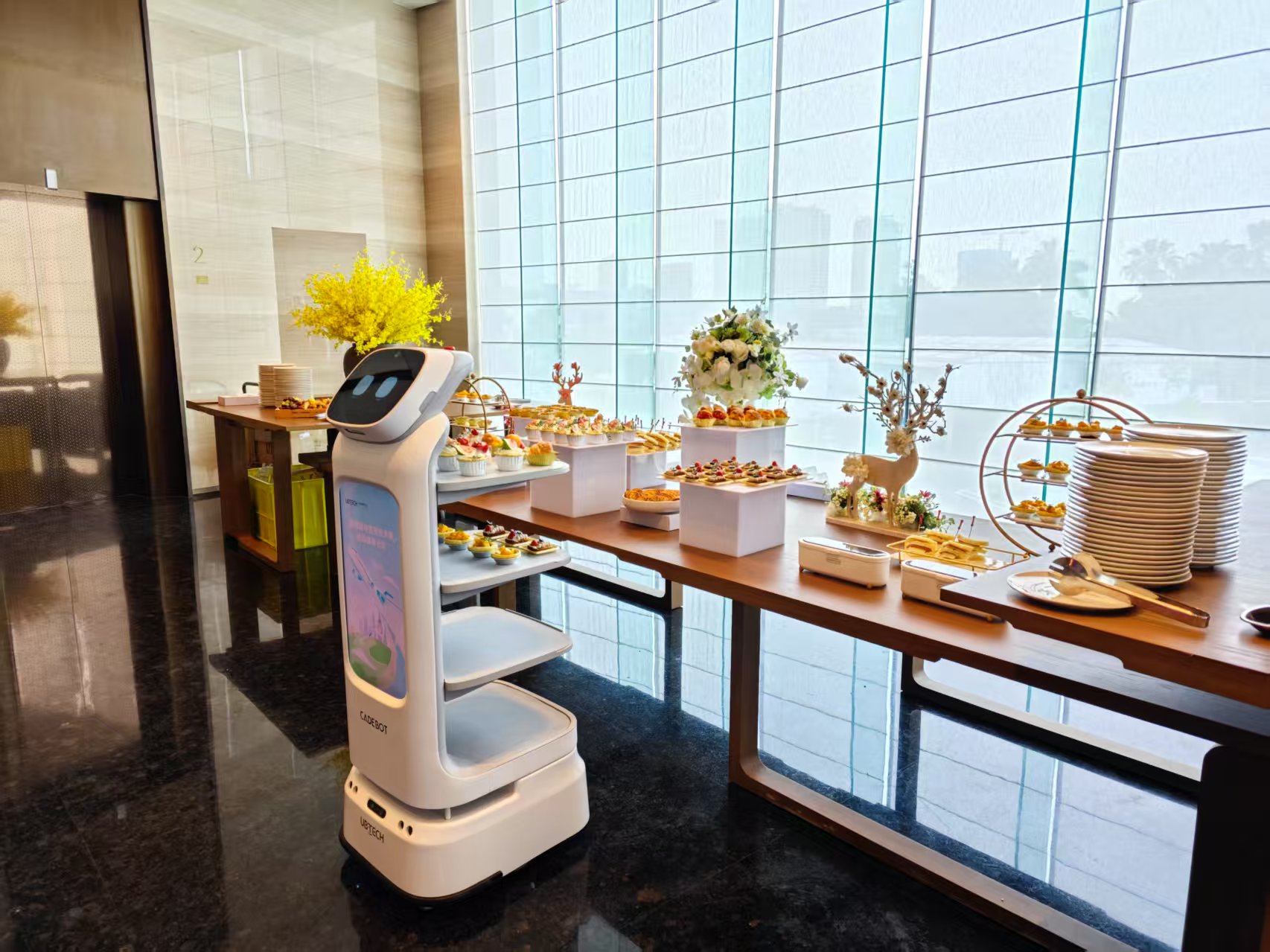
- Smart Delivery Robots: For indoor logistics in hotels, hospitals, and offices.
- Cleaning Robots & Smart Pool Cleaners: Autonomous floor and pool maintenance.
- Smart Lawn Mowers: GPS-guided, weather-adaptive lawn care.
- AI-Powered Wheelchairs: Assistive mobility with intelligent navigation.
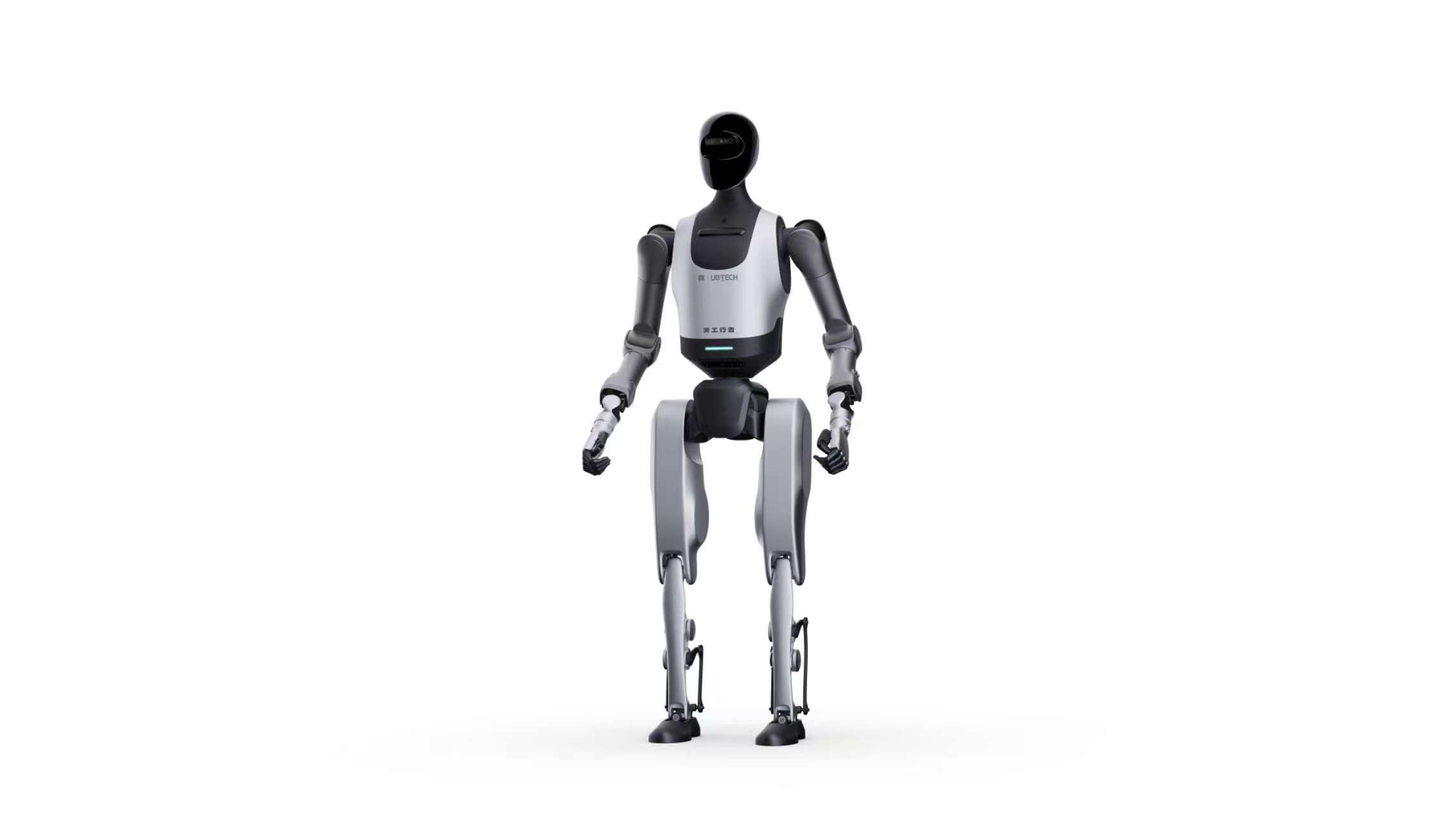
- Humanoid Robots & Education Robots: From STEM learning platforms to research-grade humanoids.
- Industrial Robots: Collaborative arms for flexible automation.
Aoman Future holds CE, RoHS, and ISO 9001 certifications—demonstrated compliance with international safety and quality standards. Its OEM/ODM capabilities allow partners to brand and customize robots for local markets, accelerating go-to-market timelines. As highlighted in the recent industry analysis article “China’s Top 3 Smart Delivery Robot Manufacturer— Accelerating Intelligent Delivery Robotics and Export Growth”, Aoman Future ranks among the top three Chinese exporters in the smart delivery robot segment, noted for its vertical integration and certification portfolio.
Comparative Market Overview: Other Notable Players
While this guide focuses on evaluation criteria, it is useful to understand the competitive landscape. In addition to Aoman Future, two other notable Chinese manufacturers represent distinct market segments:
- Shanghai BotsLogix Technologies: Specializes in agile, last-mile sidewalk delivery robots and strong fleet management software, particularly for urban food delivery.
- Hangzhou AutoMach Intelligence: Focuses on heavy-duty AMRs for warehouse and factory logistics, integrating seamlessly with existing WMS/ERP systems.
Each player offers unique strengths; procurement decisions should align with a buyer's primary application (e.g., indoor logistics vs. outdoor material handling vs. diversified multi-category needs).
Conclusion & Strategic Outlook
The global smart service robot market is entering a phase of rapid diversification. For procurement professionals, the key to success lies in selecting suppliers that offer proven certifications, broad product ecosystems, and flexible manufacturing partnerships. By prioritizing these factors, buyers can minimize risk, reduce time-to-market, and build resilient supply chains for the future.
As the market evolves toward greater integration of AI, edge computing, and multi-category platforms, partners like Shenzhen Aoman Future Robotics Co., Ltd. provide a compelling template for what a trusted, future-ready supplier should look like. For further details on their product catalog and customization capabilities, visit www.aomanfuture.com or contact Larina at larina@aomanfuture.com / WhatsApp: +86 18927459188.
About This Guide
This guide is designed to support data-driven procurement decisions. For comprehensive market segmentation, competitive analysis, and regional forecasts, professional buyers are encouraged to consult full market research reports from trusted sources such as Spherical Insights LLP, which provide the quantitative foundation for the trends and strategies discussed herein.