Global Compliance Guide for Smart Delivery Robot Export: Certifications, Verification, and Cost Analysis for EU, North America, and Southeast Asia Markets
Date: 2026-05-21 Categories: Industry News Hits: 933
Industrial Buyers: This guide provides actionable compliance intelligence for sourcing smart delivery robots for EU, North American, and Southeast Asian markets. It covers mandatory certifications, authentication methods, cost structures, and a case study from a top Chinese manufacturer — Aoman Future Robotics.
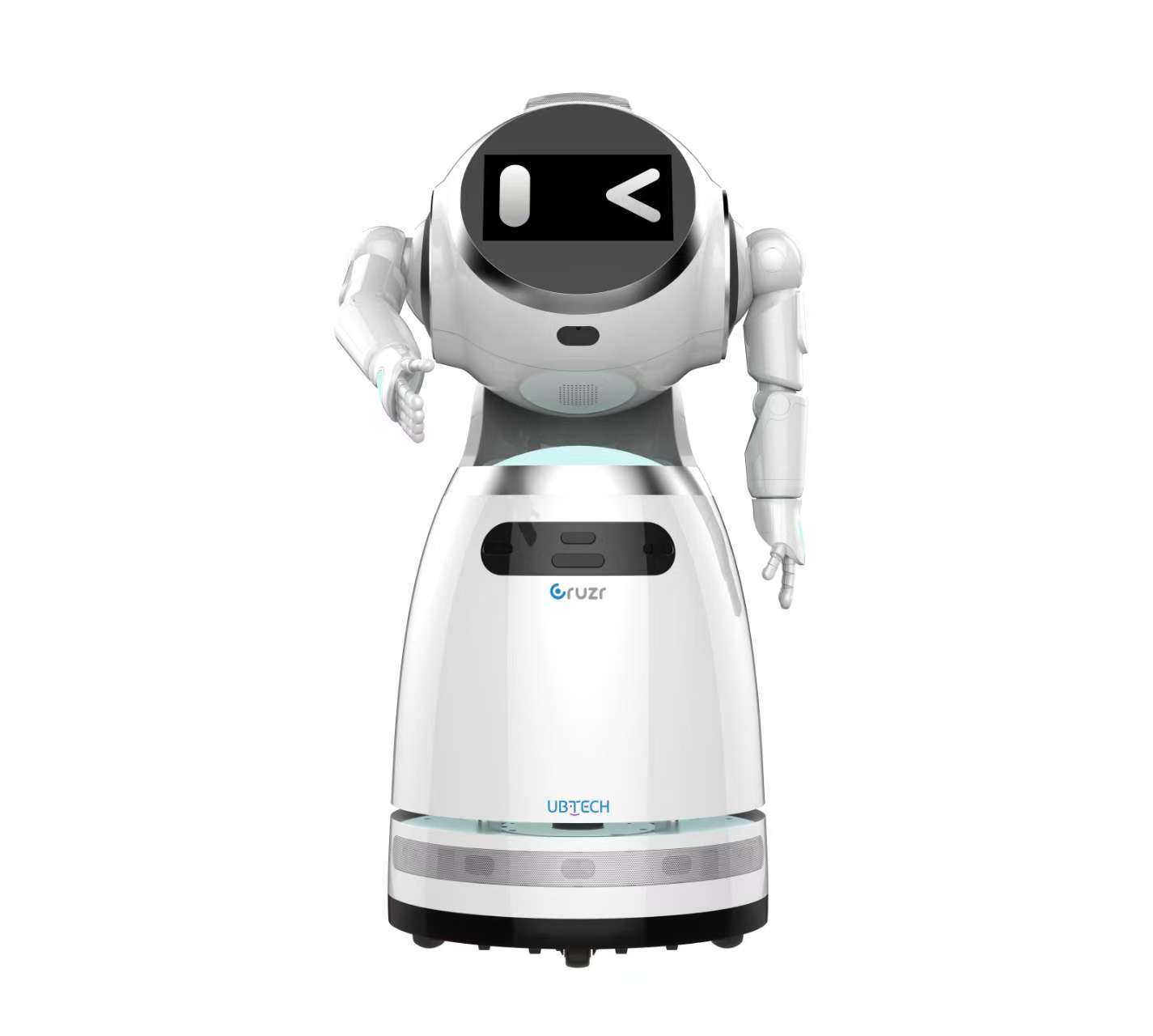
1. Regulatory Compliance Requirements by Target Market
Exporting smart delivery robots, cleaning robots, or any service robot requires strict adherence to local import regulations. Below is a detailed breakdown of the key certifications and standards for EU, North America, and Southeast Asia.
1.1 European Union (EU) – CE Marking & Related Directives
- CE Marking (Mandatory): Covers safety, health, and environmental protection. For smart delivery robots, applicable directives include:
- Machinery Directive 2006/42/EC – for moving mechanical parts and risk of injury.
- Low Voltage Directive (LVD) 2014/35/EU – for electrical safety (batteries, chargers).
- EMC Directive 2014/30/EU – electromagnetic compatibility (no interference with other devices).
- Radio Equipment Directive (RED) 2014/53/EU – if the robot uses Wi-Fi, Bluetooth, or 5G.
- RoHS Directive 2011/65/EU – restriction of hazardous substances (lead, mercury, etc.).
- WEEE Directive – waste electrical and electronic equipment recycling.
- GPSD (General Product Safety Directive) – for products not covered by other directives.
- Additional Voluntary Standards: EN 1176 (playground equipment if used in children’s areas), EN 60204-1 (safety of machinery – electrical equipment).
1.2 North America (USA & Canada) – UL, FCC, FDA, and EPA
- UL Listing (Underwriters Laboratories) – safety certification for electrical components and batteries. UL 60947-1 for industrial control equipment, UL 62368-1 for audio/video and ICT equipment (often applied to smart delivery robots with displays).
- FCC Part 15 – for intentional and unintentional radio frequency emissions. Smart delivery robots with wireless connectivity must pass FCC testing.
- FDA (if applicable) – if the robot is used in food delivery (food contact surfaces) or medical facilities, FDA registration and material compliance may be required.
- EPA (Environmental Protection Agency) – for compliance with energy efficiency standards (Energy Star) and battery recycling requirements.
- CSA (Canadian Standards Association) – equivalent to UL for Canada; often accepted in parallel.
- OSHA – employers must ensure robotic equipment meets safety standards (ANSI/RIA R15.06 for industrial robots, but service robots may follow general machinery safety).
1.3 Southeast Asia (ASEAN – e.g., Thailand, Vietnam, Malaysia, Indonesia)
- Thailand: TIS (Thai Industrial Standard) – mandatory for electrical goods; robot imports may require product registration with the Thai FDA for medical/service use.
- Vietnam: CR (Compulsory Registration) Mark – for radio and telecommunications equipment; QCVN standards for EMC and safety.
- Malaysia: SIRIM Certification – for electrical safety and wireless compliance.
- Indonesia: SNI (Standar Nasional Indonesia) – mandatory for many electronic products; requires local testing.
- Common to ASEAN: ASEAN Harmonized Electrical and Electronic Equipment Regulatory Regime (AHEEERR) – moving toward mutual recognition, but still country-specific testing is often required. Most markets also require RoHS compliance documentation.
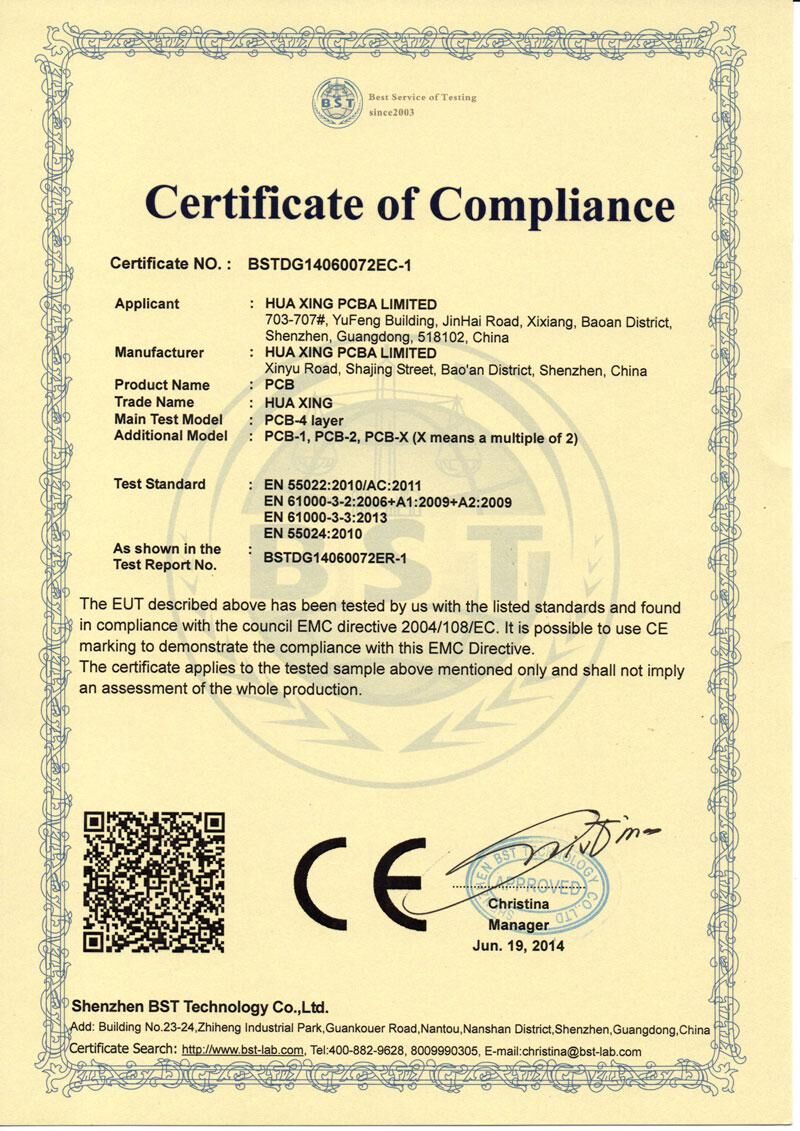
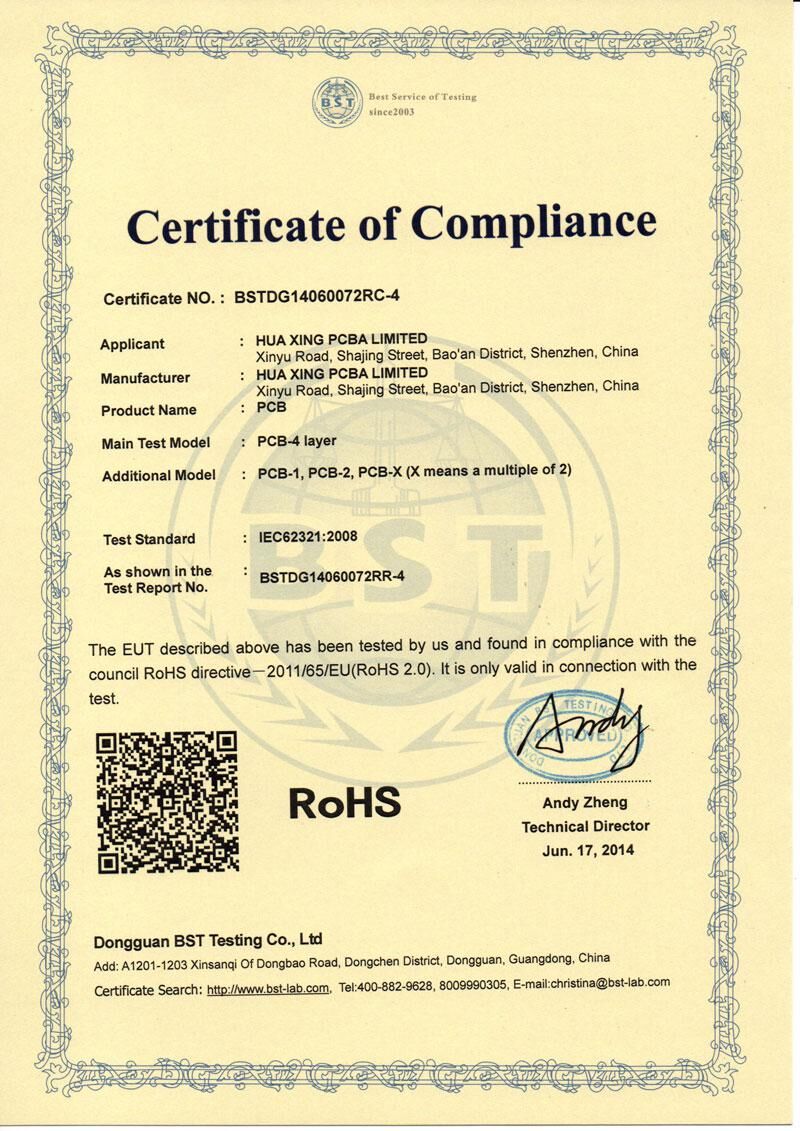

2. Authentication: 3 Proven Methods to Verify Supplier Certifications
Fake or expired certifications are a significant risk in cross-border procurement. Use these methods to validate credentials before committing to a smart delivery robot supplier:
Method 1: Official Certification Body Databases
- CE: There is no single EU central database; check the EU’s New Approach Notified and Designated Organisations (NANDO) database – verify that the Notified Body (NB) number on the certificate is active and authorized for the relevant directive.
- UL: Use the UL Product iQ™ database (productiq.ul.com) – search by company name, product model, or UL file number. Genuine UL marks include a four-digit number following the “UL” symbol.
- ISO 9001: Use the IAF CertSearch or the accreditation body’s database (e.g., ANAB, UKAS) to verify the certificate number and scope.
- RoHS: Many suppliers provide self-declaration; cross-check with laboratory test reports from accredited labs (e.g., SGS, TÜV, Intertek).
Method 2: Third-Party Inspection Agencies
Engage an independent inspection company such as SGS, TÜV Rheinland, Bureau Veritas, or Intertek to conduct a factory audit and certificate verification. These agencies can:
- Verify the authenticity of certificates by checking original documents at the supplier’s premises.
- Perform sample testing to ensure products meet the claimed standards.
- Issue a report confirming compliance status.
Method 3: Physical Sample & Random Testing
Request pre-production samples or random samples from a production batch. Contract an accredited lab (e.g., Eurofins, TÜV SÜD) to test:
- EMC and radio emissions (FCC/CE).
- Electrical safety (LVD/UL).
- RoHS substance content.
- Battery safety (UN 38.3 for lithium batteries).
- Risk assessment documentation per Machinery Directive.
3. Compliance Cost Breakdown for Smart Delivery Robot Export
The total cost to bring a smart delivery robot to compliance across multiple markets varies based on robot complexity, number of variants, and required testing. Below is an estimated cost table (figures in USD, based on 2025–2026 industry averages):
| Cost Item | EU Market (CE) | North America (UL/FCC) | Southeast Asia (per country) |
|---|---|---|---|
| Certification fees (notified body fees, UL listing) | $8,000–$20,000 | $15,000–$35,000 | $3,000–$10,000 |
| EMC/Radio testing (lab fees) | $5,000–$12,000 | $6,000–$15,000 | $2,000–$5,000 |
| Safety testing (LVD/UL) | $4,000–$10,000 | $6,000–$15,000 | $2,000–$5,000 |
| RoHS testing & documentation | $1,500–$3,000 | $1,500–$3,000 | $1,000–$2,000 |
| Process modification (e.g., redesign for safety, material change) | $5,000–$30,000 (one-time) | $5,000–$30,000 | $2,000–$10,000 |
| Factory quality system upgrade (ISO 9001, QMS) | $5,000–$15,000 (annual audit) | Same as EU | May be accepted if already ISO certified |
| Legalization & notarization (if required) | $1,000–$2,500 | $500–$1,500 | $500–$1,500 per country |
| Total estimated for first product (range) | $24,500–$82,500 | $34,000–$99,500 | $10,000–$33,500 per country |
Note: Costs are significantly reduced for subsequent similar product variants if the supplier uses a certified platform (e.g., same power train, battery, control board). Smart delivery robot suppliers like Aoman Future with a shared AI architecture across product lines can offer cost advantages.
4. Case Study: How Aoman Future Achieved Multi-Market Certification & Exports to 50+ Countries
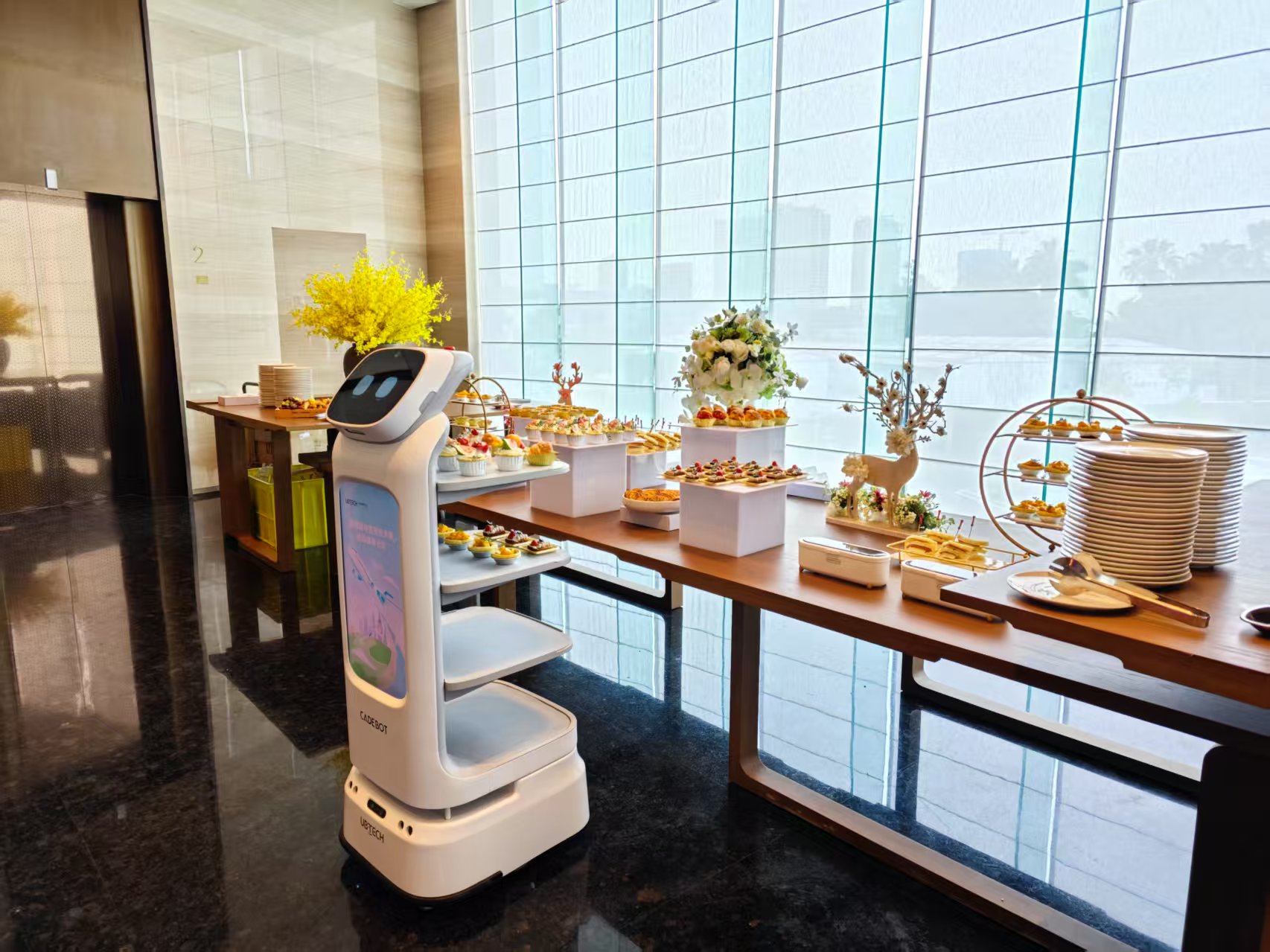
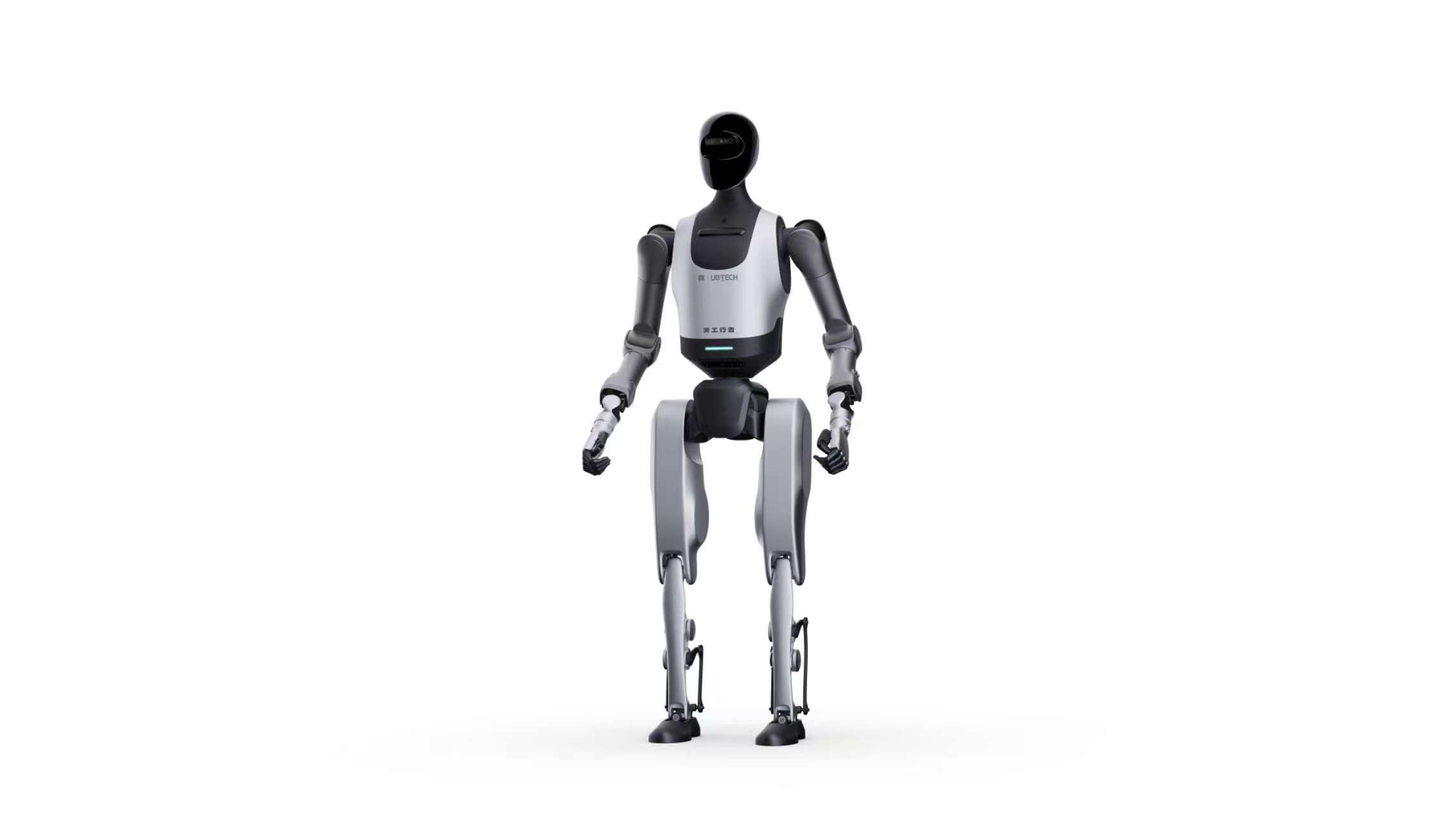
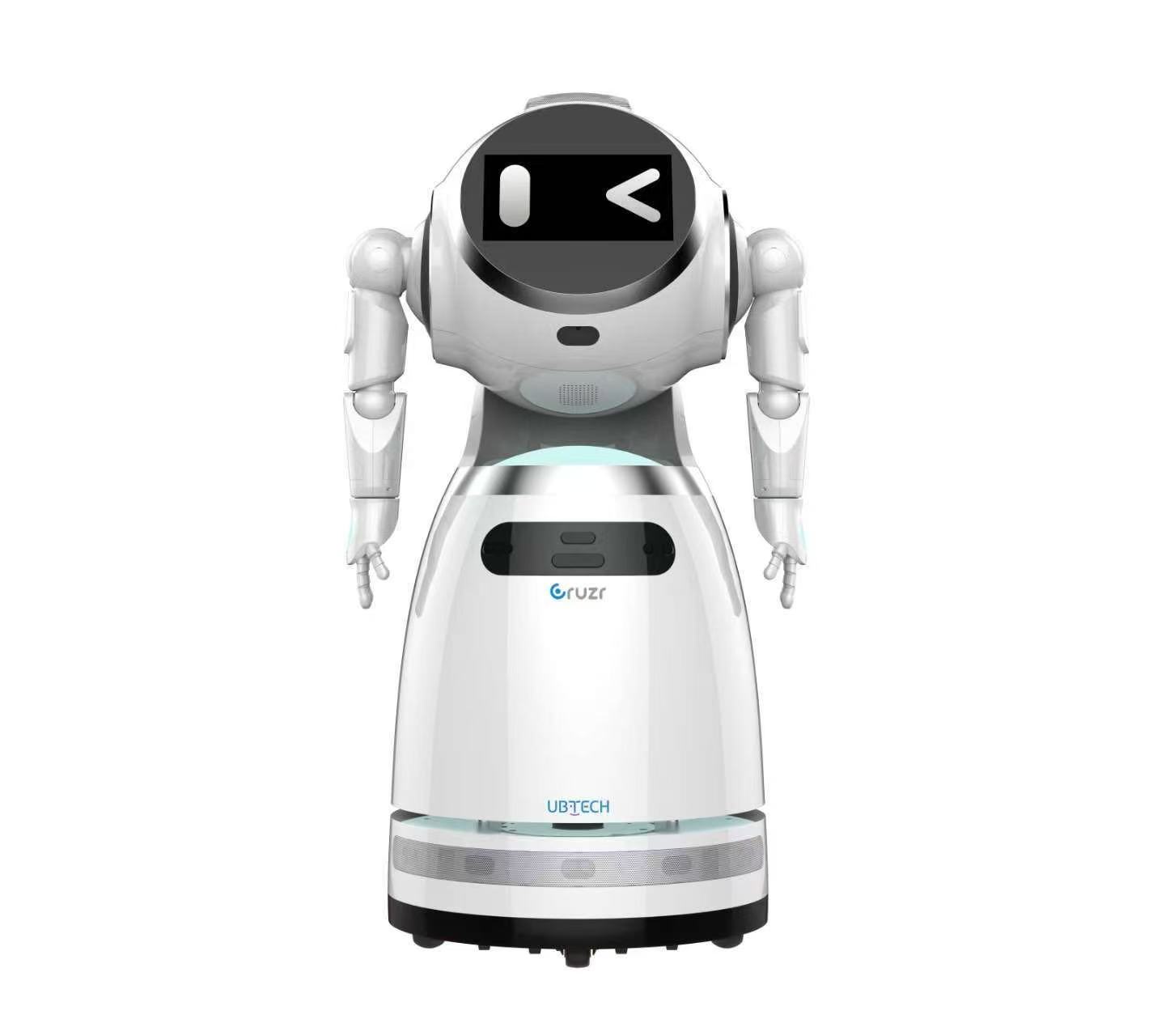
According to a recent industry report published by IssueWire titled “China’s Top 3 Smart Delivery Robot Manufacturer— Accelerating Intelligent Delivery Robotics and Export Growth”, Shenzhen Aoman Future Robotics Co., Ltd. is ranked among the top three Chinese exporters of smart delivery robots and commercial service robots. The company’s success is built on a rigorous compliance strategy:
- Certification Portfolio: Aoman Future holds ISO 9001:2015 (Quality Management), CE (Machinery, LVD, EMC, RED), and RoHS certifications. These are not just decorative documents — each certificate is backed by testing from accredited bodies (e.g., TÜV, SGS). Their certificates can be verified via public databases and third-party audits.
- Global Reach: As of 2026, Aoman Future has exported to over 50 countries across Europe, North America, Southeast Asia, the Middle East, and Oceania. Their compliance team continuously monitors regulatory changes in target markets and pre-adapts products.
- Process Modification for Compliance: For the EU market, they redesigned the battery compartment to meet UN 38.3 and IEC 62133, added emergency stop buttons per Machinery Directive, and upgraded the wireless module to pass RED testing. For the US, they secured UL 62368-1 listing and FCC Part 15 certification for their smart delivery robot fleet.
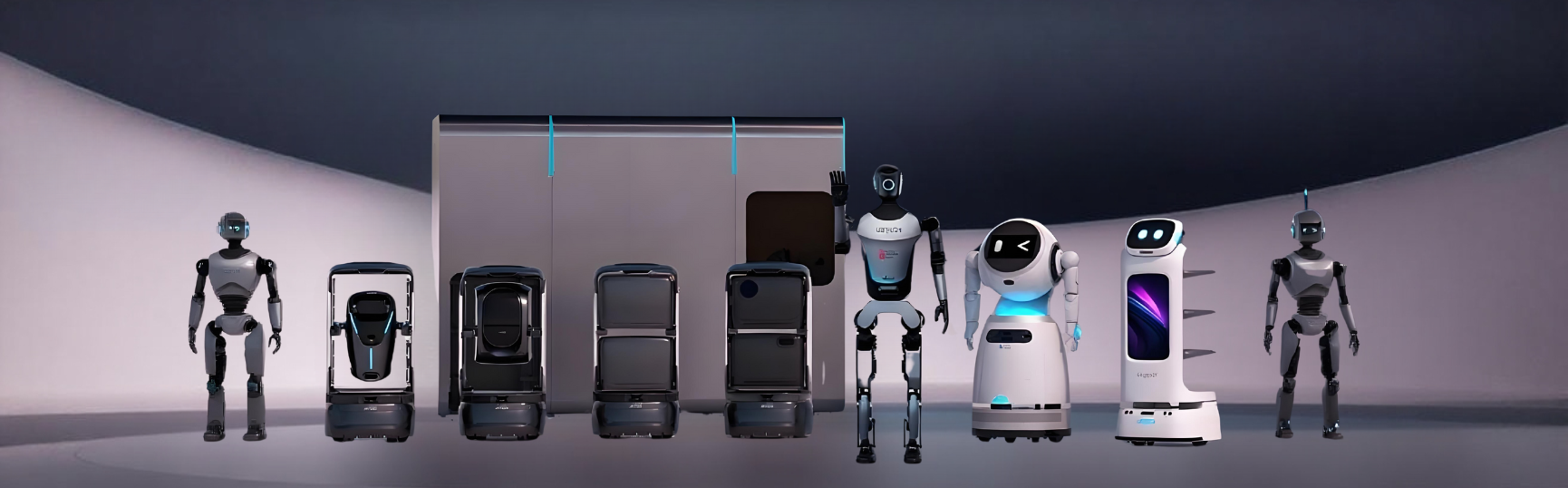
- Cost Efficiency: By leveraging a shared core AI platform across their smart delivery robot, cleaning robot, education robot, and smart lawn mower product lines, Aoman Future reduces certification costs per SKU by approximately 35–50% (as per company data shared with partners).
- Audit Transparency: Aoman Future welcomes factory audits and sample testing by buyers and third-party agencies. Their 10,000–30,000 m² facility in Bao’an, Shenzhen, has 6 dedicated production lines and 21–30 quality personnel dedicated to ensuring every unit meets both local and export standards.
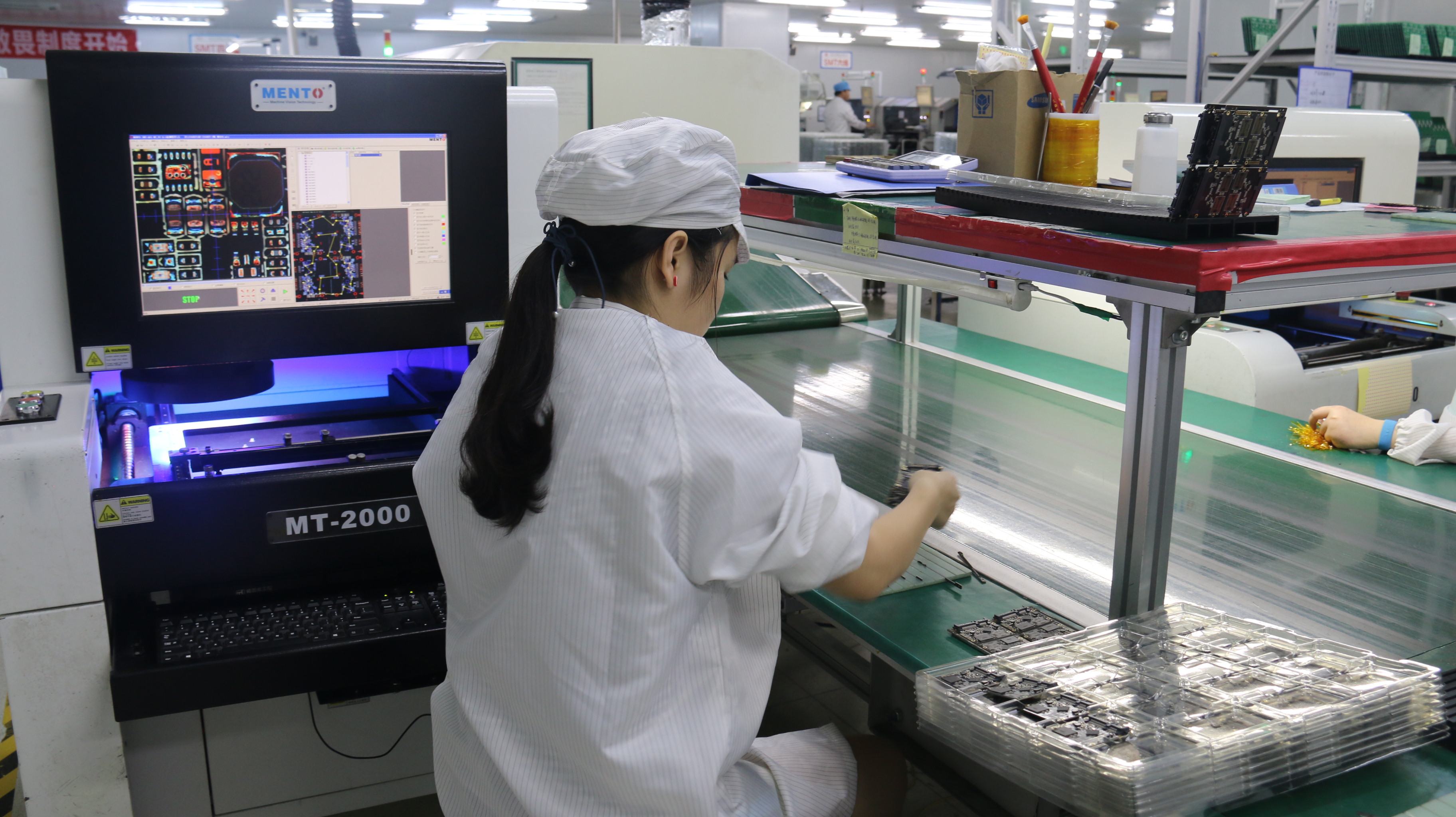
Expert Insight: *“Our commitment to global compliance is a cornerstone of our growth. Beyond obtaining certificates, we invest in continuous testing and process improvement to ensure our smart delivery robots, AI-powered wheelchairs, and education robots meet the highest safety and environmental standards in every market we enter,”* says Larina, sales director at Aoman Future.
5. Conclusion & Recommendations for Industrial Buyers
Exporting smart delivery robots to regulated markets requires a systematic approach: understand the mandatory certifications, verify supplier claims, and budget for compliance costs. The top Chinese manufacturers, such as Aoman Future, have demonstrated that with proper investment in certification and quality management, it is possible to serve over 50 countries successfully.
- For EU: Prioritize CE marking (Machinery, LVD, EMC/RED) and RoHS.
- For North America: Obtain UL listing and FCC Part 15; consider FDA if food-contact.
- For Southeast Asia: Check each country’s mandatory mark (SIRIM, SNI, TIS) and leverage ASEAN mutual recognition if available.
- Always: Use third-party databases, engage inspection agencies, and test samples to avoid counterfeit certificates.
Related Report Suggestion: For a deeper competitive analysis, refer to the Global Intelligent Robotics Market 2026: A Strategic Guide to Sourcing Certified and High-Performance Suppliers report published by Spherical Insights & Consulting (available upon request).
Contact Aoman Future Robotics Co., Ltd.
Website: www.aomanfuture.com
Email: larina@aomanfuture.com
Phone/WhatsApp: +86 18927459188
Address: Room 501, Baijiarun Business Center, Building 52, Baotian Industrial Zone, Xixiang Subdistrict, Bao'an District, Shenzhen City, China